Case Study: Quick Response Water Damage Restoration in Multnomah County


When water damage strikes, swift action is crucial to prevent further complications and costly repairs. In Multnomah County, a recent case of emergency water damage restoration showcased the importance of quick response and effective strategies.
In this case study, we delve into the processes and outcomes of a rapid-response water damage restoration project. A sudden pipe burst in a residential property led to significant water pooling, threatening structural integrity and personal belongings.
Initial Assessment and Immediate Action
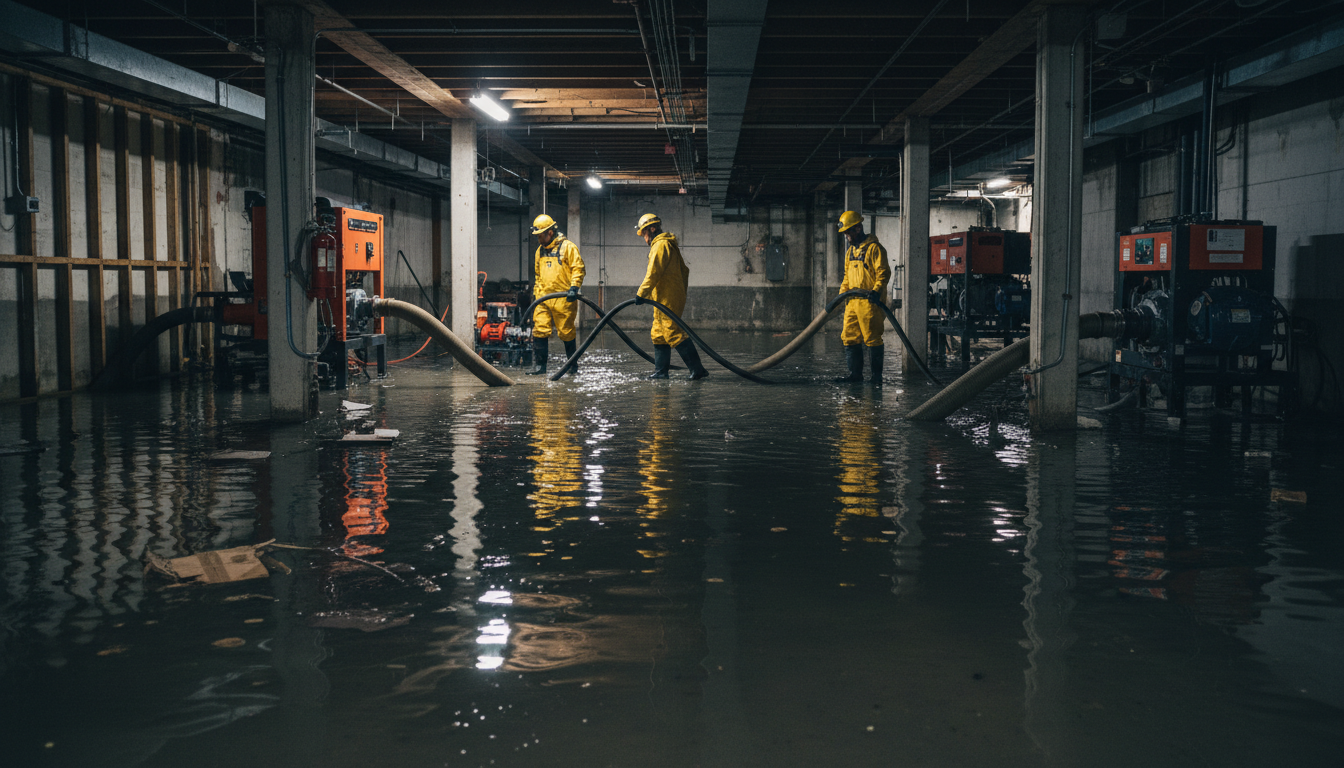
Upon receiving the emergency call, the restoration team arrived on-site within an hour. The initial assessment revealed extensive water accumulation in the basement and first floor. Prioritizing safety, the team quickly shut off the water supply and began the extraction process.
The use of industrial-grade pumps and vacuums ensured efficient removal of standing water. This immediate action was vital in minimizing damage and setting the stage for the drying process.
Advanced Drying Techniques
Once the excess water was removed, the focus shifted to drying and dehumidification. High-capacity air movers and dehumidifiers were strategically placed throughout the affected areas. These tools worked in tandem to reduce moisture levels and prevent mold growth, a common concern in water-damaged properties.
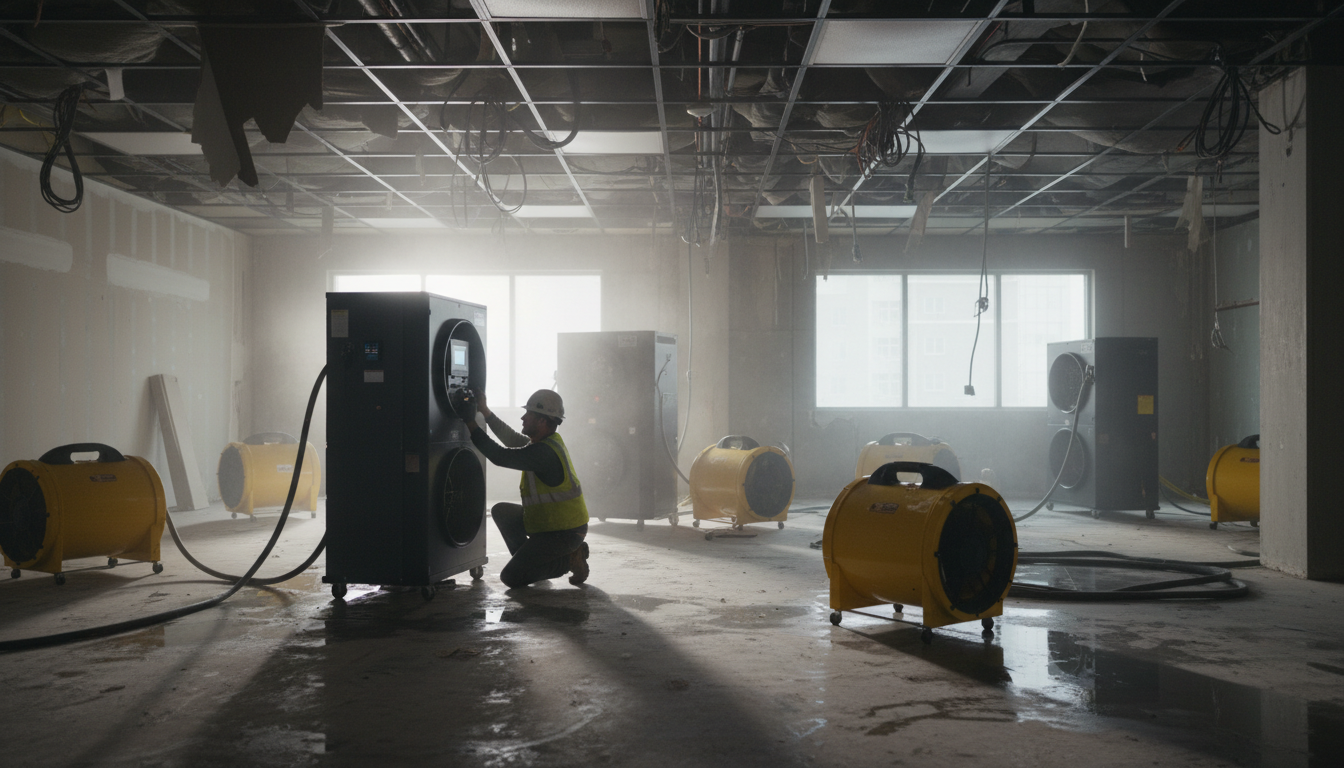
The team also employed infrared cameras to detect moisture in walls and floors, ensuring no hidden pockets were left untreated. This thorough approach helped in preserving the integrity of the building materials.
Damage Repair and Restoration
With the property dried and stabilized, the next phase was repair and restoration. This included replacing damaged drywall, flooring, and insulation. The team worked closely with the homeowner to select materials that matched the original design while incorporating more water-resistant options.
Preventative Measures and Final Inspection
To prevent future incidents, the restoration team recommended several preventative measures. These included regular plumbing inspections and the installation of a sump pump system to handle potential water accumulation in the basement.
- Regular plumbing inspections
- Installation of a sump pump system
- Improved drainage solutions around the property
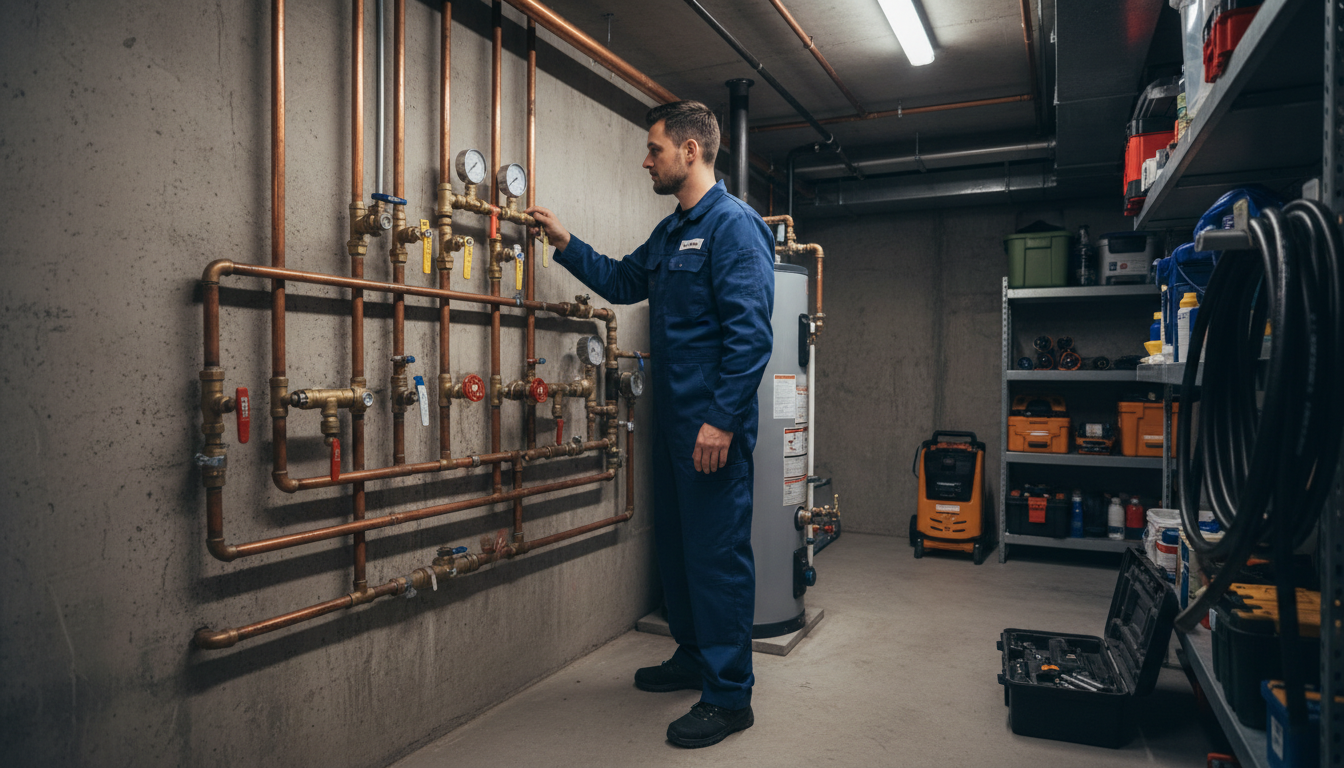
After completing the restoration, a final inspection ensured all areas were thoroughly dried and repaired. The homeowner expressed satisfaction with the prompt and professional service, emphasizing the peace of mind gained from knowing their home was safe and secure.
Conclusion
This case study highlights the critical role of quick response and advanced techniques in water damage restoration. For residents of Multnomah County, having a reliable restoration service on call can make a significant difference in managing emergencies and safeguarding their homes.
By investing in professional restoration services, homeowners can mitigate damage, reduce repair costs, and ensure a swift return to normalcy. This case serves as a reminder of the importance of preparedness and proactive measures in protecting property from water damage.