Case Study: Successful Restoration Projects in Multnomah County


Introduction to Restoration Projects in Multnomah County
Multnomah County, located in the heart of Oregon, is renowned for its lush landscapes and vibrant communities. Over the years, various restoration projects have been undertaken to preserve and enhance the county's natural beauty and historical significance. These projects not only rejuvenate the environment but also foster community engagement and sustainable development.
Reviving Natural Habitats
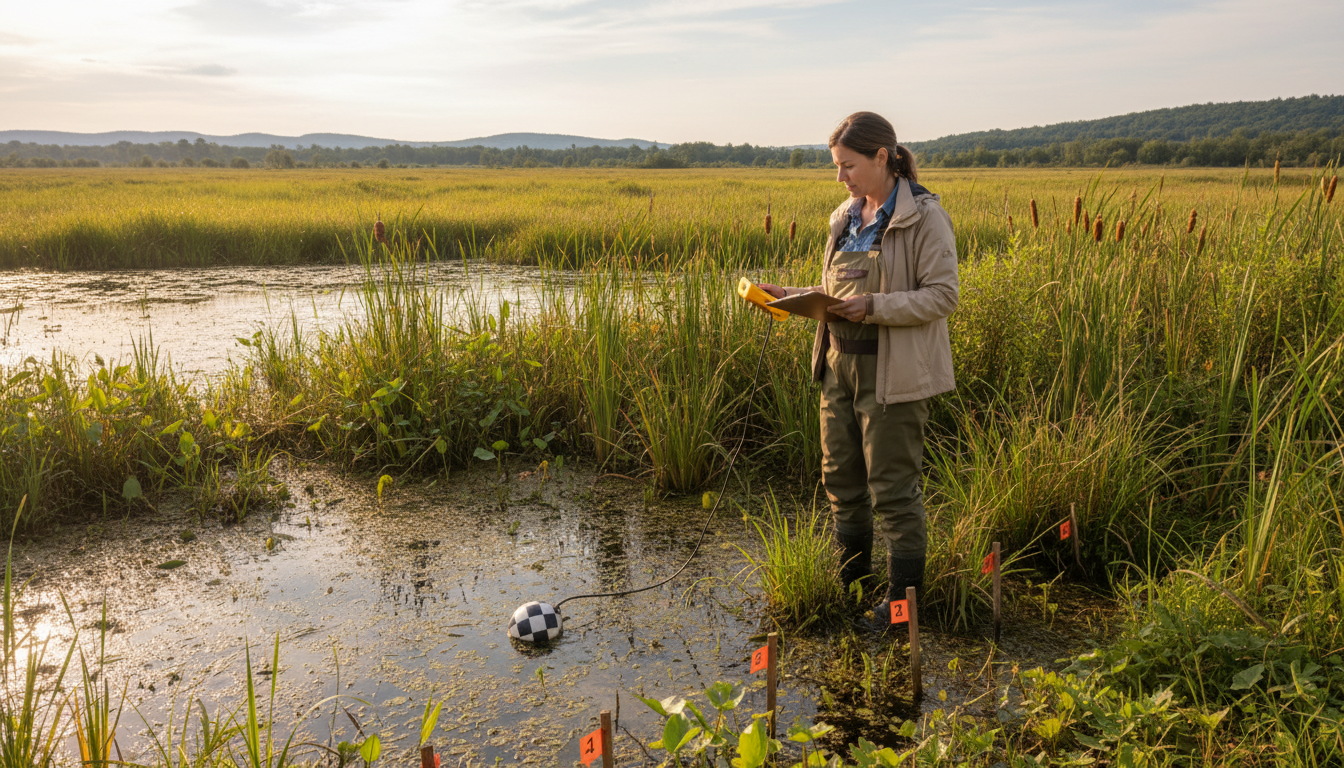
One of the primary objectives of restoration projects in Multnomah County is to revive natural habitats. Initiatives have been launched to restore wetlands, forests, and streams, providing a sanctuary for local wildlife and promoting biodiversity. The success of these projects is evident in the increasing populations of native species, such as salmon and various bird species.
For instance, the restoration of the Sandy River Delta has been a beacon of success. This project involved removing invasive plants and replanting native vegetation, which has significantly improved the area's ecological health. Local volunteers have played a crucial role, showcasing the power of community involvement in environmental conservation.
Restoration of Historic Landmarks
In addition to ecological efforts, Multnomah County has been dedicated to restoring its historic landmarks. These projects aim to preserve the rich cultural heritage of the region. The renovation of the historic Vista House at Crown Point is a prime example. This iconic structure, offering panoramic views of the Columbia River Gorge, underwent extensive restoration to preserve its architectural integrity while enhancing visitor facilities.
Efforts such as these not only protect historical assets but also boost tourism, contributing to the local economy. The careful balance of preserving history while accommodating modern needs is a hallmark of successful restoration projects in the area.

Community Involvement and Education
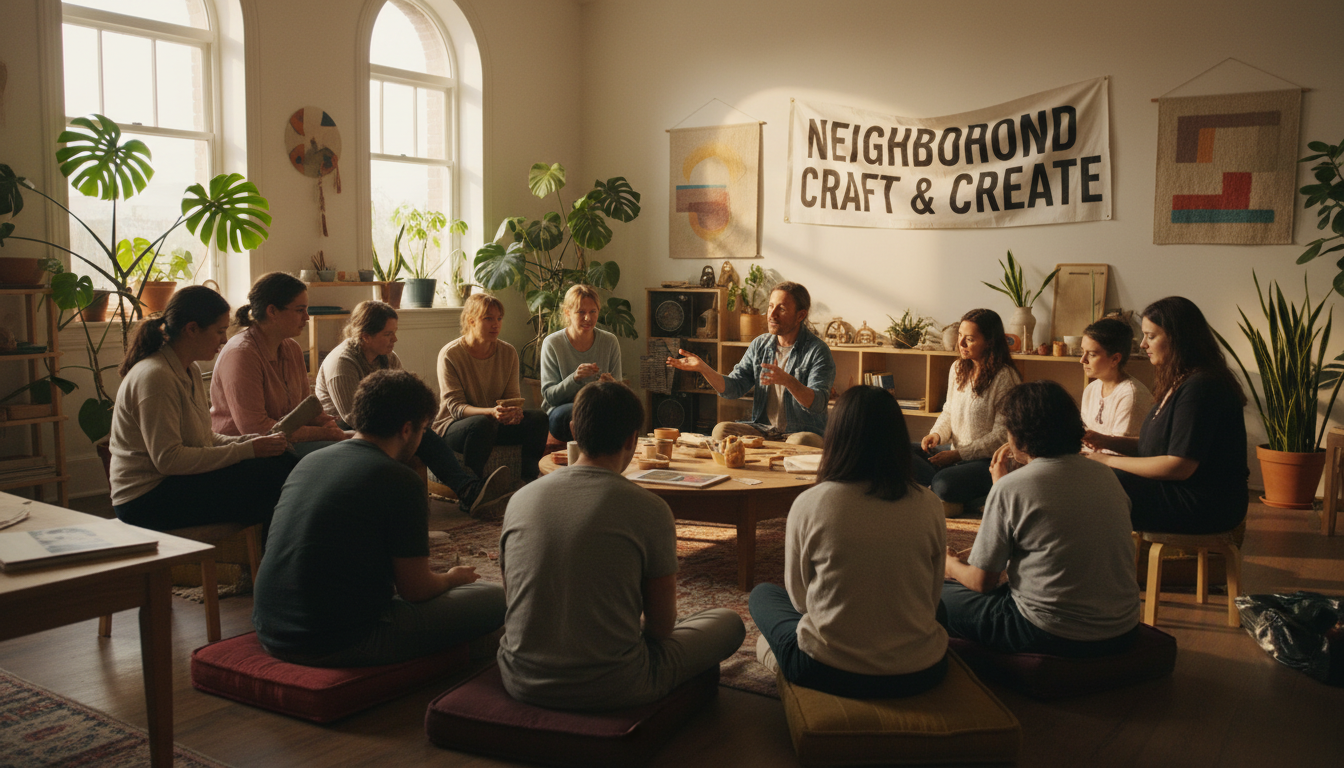
Community involvement is a cornerstone of successful restoration projects in Multnomah County. By engaging local residents, these initiatives foster a sense of ownership and pride. Educational programs are often integrated into restoration efforts, teaching community members about the importance of environmental stewardship and historical preservation.
Workshops, guided tours, and volunteer events are organized regularly, allowing individuals to actively participate and learn. This hands-on approach not only enhances the impact of the projects but also builds a more informed and engaged community.
Challenges and Future Prospects
Despite the successes, restoration projects in Multnomah County face several challenges. Funding constraints, climate change, and urban development pressures are ongoing concerns. However, innovative solutions and collaborative efforts continue to drive progress.
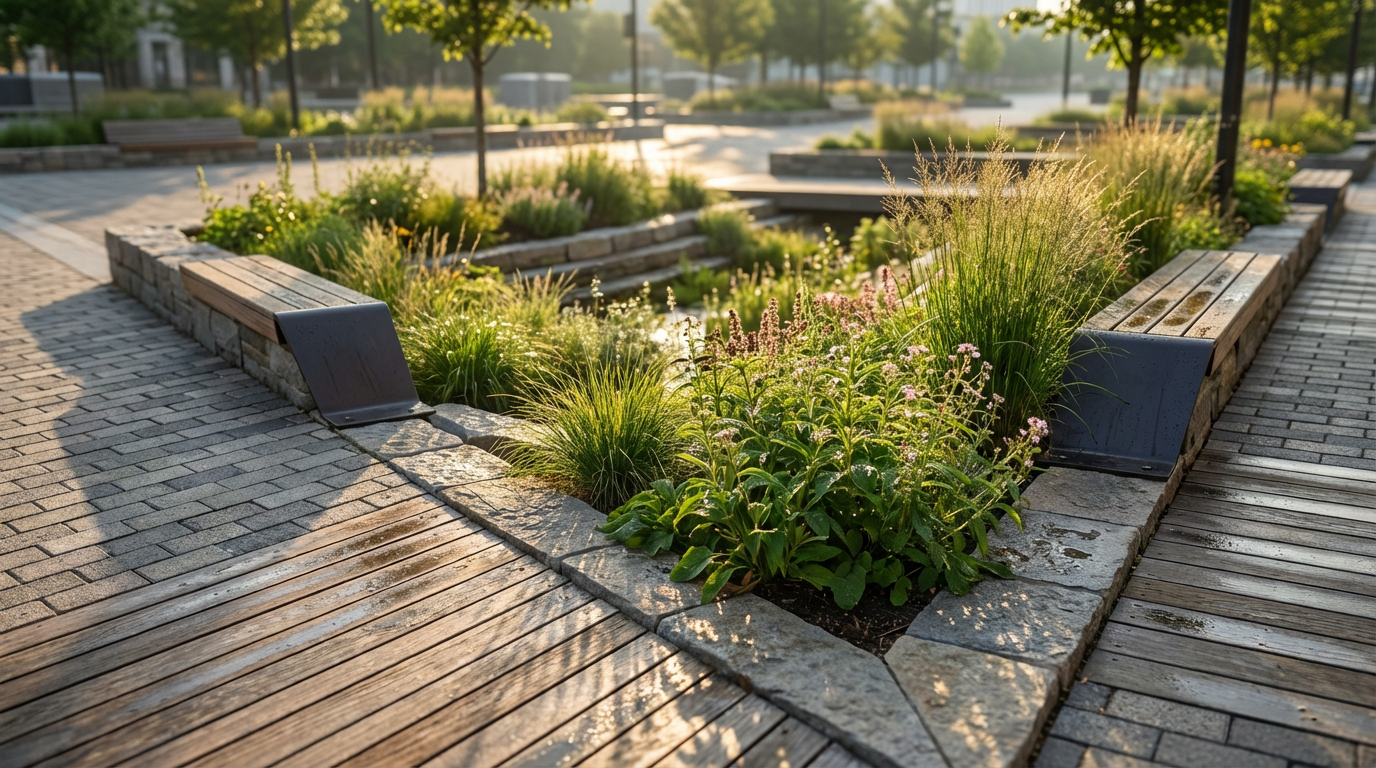
The future of restoration in the county looks promising, with plans for more comprehensive projects that integrate green infrastructure and sustainable practices. These plans aim to further enhance the resilience of natural and historical sites, ensuring their preservation for generations to come.
Conclusion
Successful restoration projects in Multnomah County exemplify the synergy between ecological restoration, historical preservation, and community engagement. By learning from past successes and addressing current challenges, the county continues to pave the way for a sustainable and vibrant future.
These projects are not just about restoring the past; they are about building a legacy that future generations can cherish and learn from. Multnomah County stands as a model for other regions seeking to balance growth with preservation.