Case Study: Successful Smoke Odor Removal in a Portland Commercial Building


Introduction
In the bustling city of Portland, maintaining a clean and pleasant environment in commercial buildings is crucial for business success. Smoke odor can be particularly challenging, affecting customer perception and employee satisfaction. This case study explores how a local business effectively tackled smoke odor removal, leading to a fresher, more inviting atmosphere.

Background of the Problem
The commercial building in question housed several offices and retail spaces. Over time, smoke from nearby industrial activity and occasional indoor smoking had permeated the building. This persistent odor became a significant concern for tenants and visitors alike, prompting the property manager to seek a comprehensive solution.
Initial Assessment
The first step involved a thorough assessment conducted by a professional odor removal service. They identified key areas where smoke had accumulated, including ventilation systems, carpets, and upholstery. This detailed evaluation helped in formulating a targeted action plan.
Implementation of the Solution
After the assessment, a multi-step approach was adopted to eradicate the smoke odor:
- Deep Cleaning: All carpets, curtains, and upholstery were professionally cleaned using eco-friendly products.
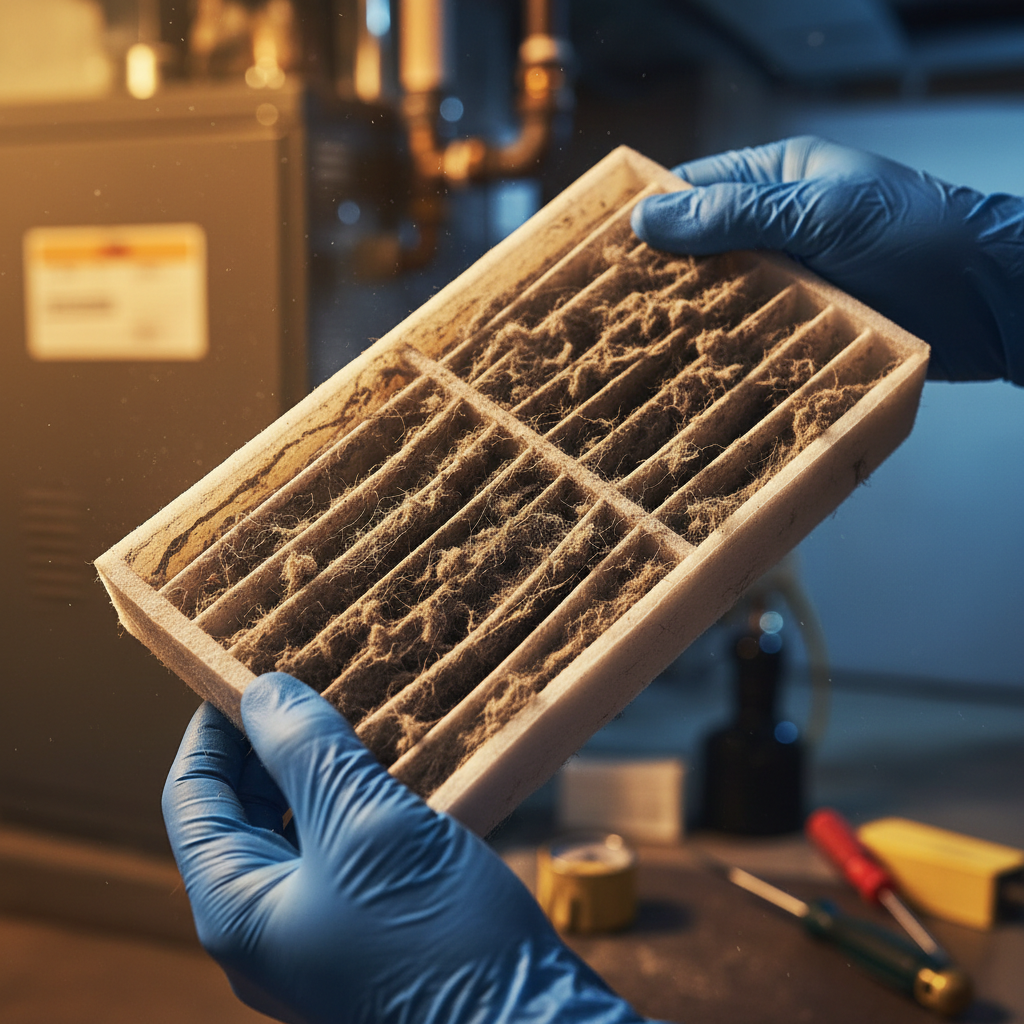
- Ventilation System Purification: Advanced air purifiers and deodorizers were installed to cleanse the air circulating through the building.
- Surface Treatment: Walls and ceilings were treated with special odor-neutralizing agents to prevent odor re-emission.
Technology and Techniques
The odor removal service employed cutting-edge technology, including ozone generators and hydroxyl machines, to break down smoke particles at a molecular level. These technologies are not only effective but also safe for occupants, ensuring minimal disruption to daily operations.
Results and Benefits
The results were remarkable. Tenants reported a noticeable improvement in air quality, leading to increased customer satisfaction and employee productivity. The building's image also improved, attracting new business opportunities.

Long-term Maintenance
To ensure long-lasting results, the property management implemented a regular maintenance schedule. This includes periodic inspections and cleaning, as well as the continued use of air purifiers. Such proactive measures help prevent the recurrence of smoke odor.
Conclusion
This case study highlights the importance of addressing smoke odor promptly and effectively in commercial settings. By leveraging professional services and modern technology, businesses can create a healthier and more appealing environment, ultimately contributing to their success in the competitive Portland market.