Comprehensive Guide to Water Damage Restoration: What Multnomah County Residents Need to Know


Water damage can be a homeowner's worst nightmare, causing significant issues that can affect the structure and safety of your home. For residents of Multnomah County, understanding the essentials of water damage restoration is crucial to protecting your property and ensuring a safe living environment.
Understanding Water Damage
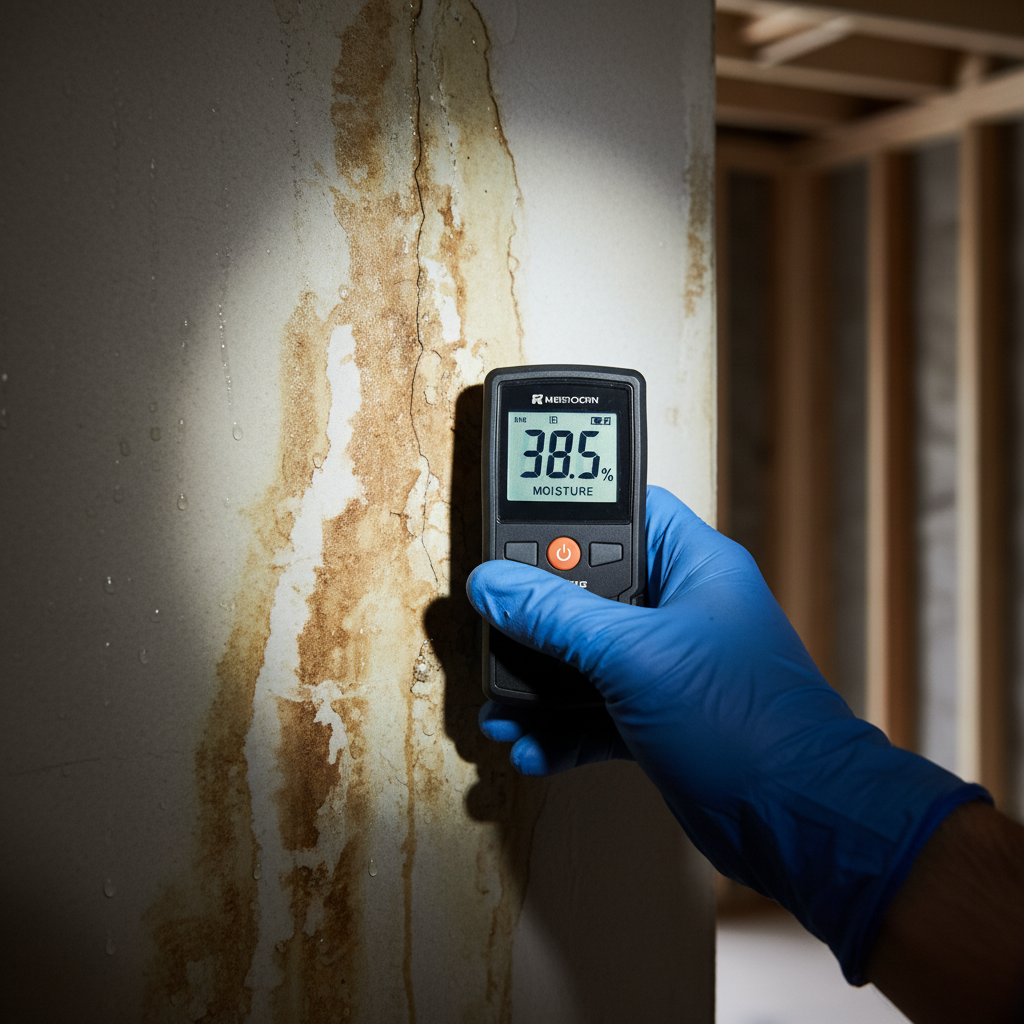
Water damage can occur due to various reasons, including natural disasters, plumbing failures, or roof leaks. It's essential to act quickly to minimize the damage and prevent further issues like mold growth. Knowing the signs of water damage, such as discoloration on walls or ceilings, musty odors, and warped flooring, can help you identify problems early.
When dealing with water damage, it’s important to assess the category of water involved. There are three categories: clean water, gray water, and black water. Each requires a different approach for safe and effective restoration.
The Restoration Process
Water damage restoration involves several steps, each crucial to ensure a thorough cleanup and repair. Here’s a closer look at the comprehensive process:
1. Inspection and Assessment
The first step in water damage restoration is a detailed inspection and assessment. Professionals will evaluate the extent of the damage and create a strategic plan. This step is vital to determine the type of water involved and the best methods for restoration.
2. Water Extraction
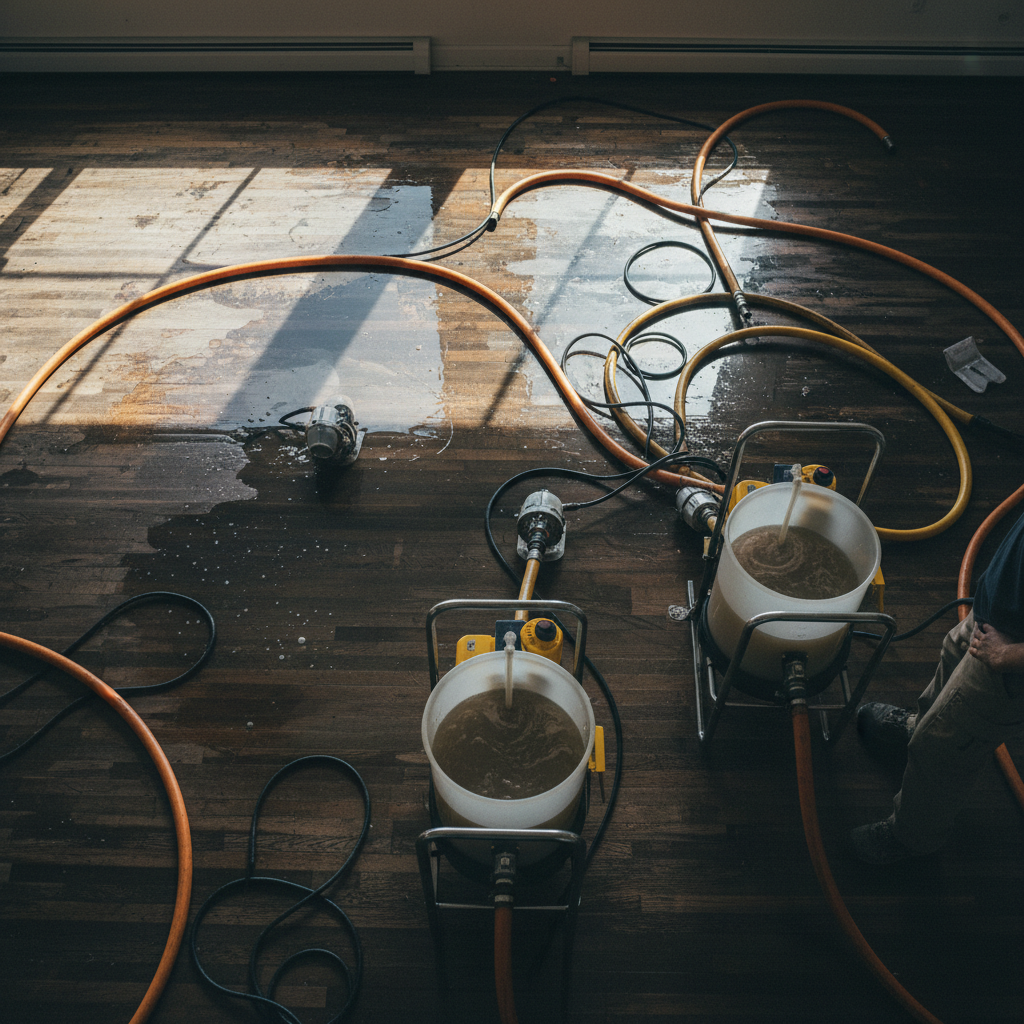
Quick water removal is essential to prevent further damage. Specialized equipment like pumps and vacuums are used to extract standing water from the premises. This step helps reduce drying time and prevents mold growth.
3. Drying and Dehumidification
Once the water is removed, the drying and dehumidification process begins. High-powered fans and dehumidifiers are used to remove moisture from walls, floors, and furniture. This step is crucial to prevent structural damage and mold infestation.
Repair and Restoration
After drying, the repair phase begins. This may involve minor repairs like drywall replacement or major ones such as reconstructing entire rooms. Restoration aims to return your home to its pre-damage condition.
Professional restoration services ensure that repairs are done correctly and efficiently. They also assist in handling insurance claims, making the process less stressful for homeowners.
Preventing Future Water Damage
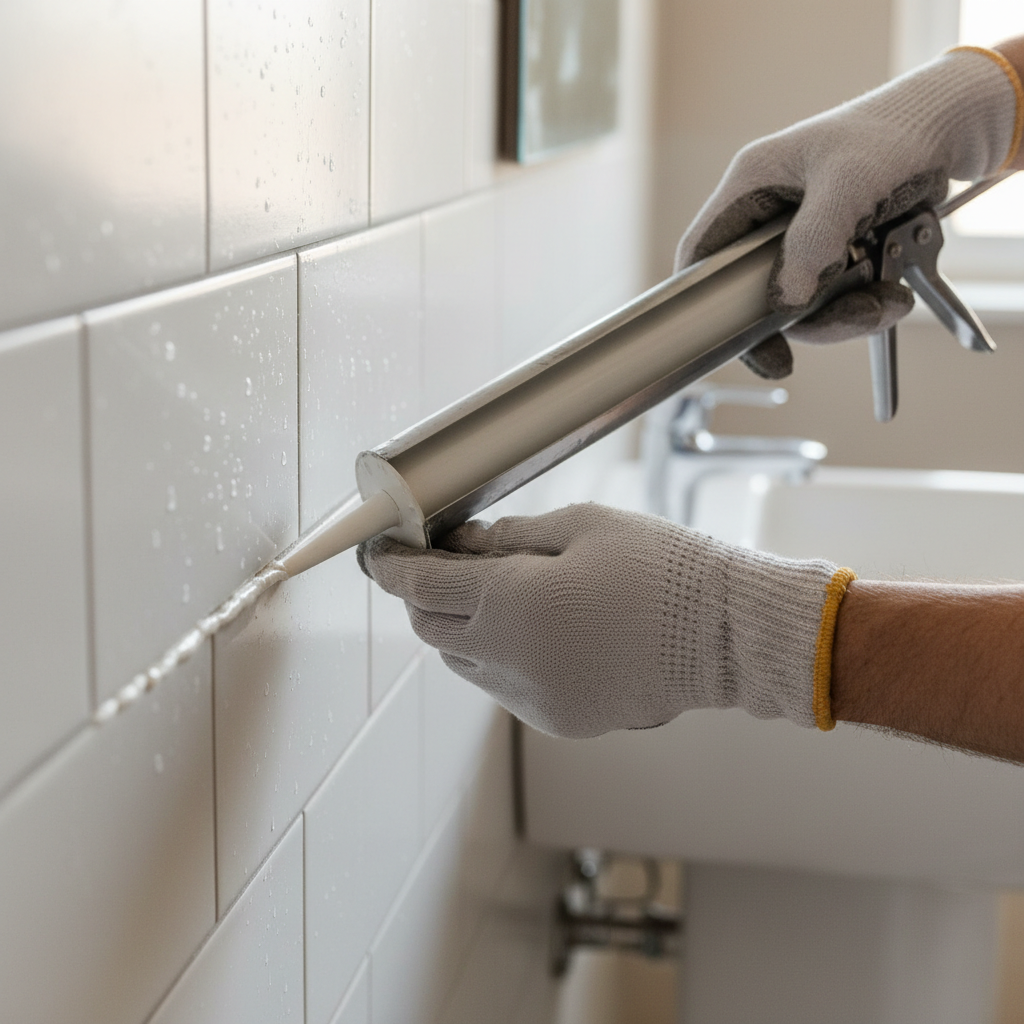
Prevention is key to avoiding future water damage. Regular maintenance of plumbing systems, roof inspections, and installing sump pumps can significantly reduce risks. Additionally, consider waterproofing basements to protect against flooding.
By understanding the essential steps in water damage restoration and prevention, Multnomah County residents can protect their homes and ensure a safe and comfortable living environment.