Comprehensive Guide to Water Damage Restoration in Multnomah County


Understanding Water Damage
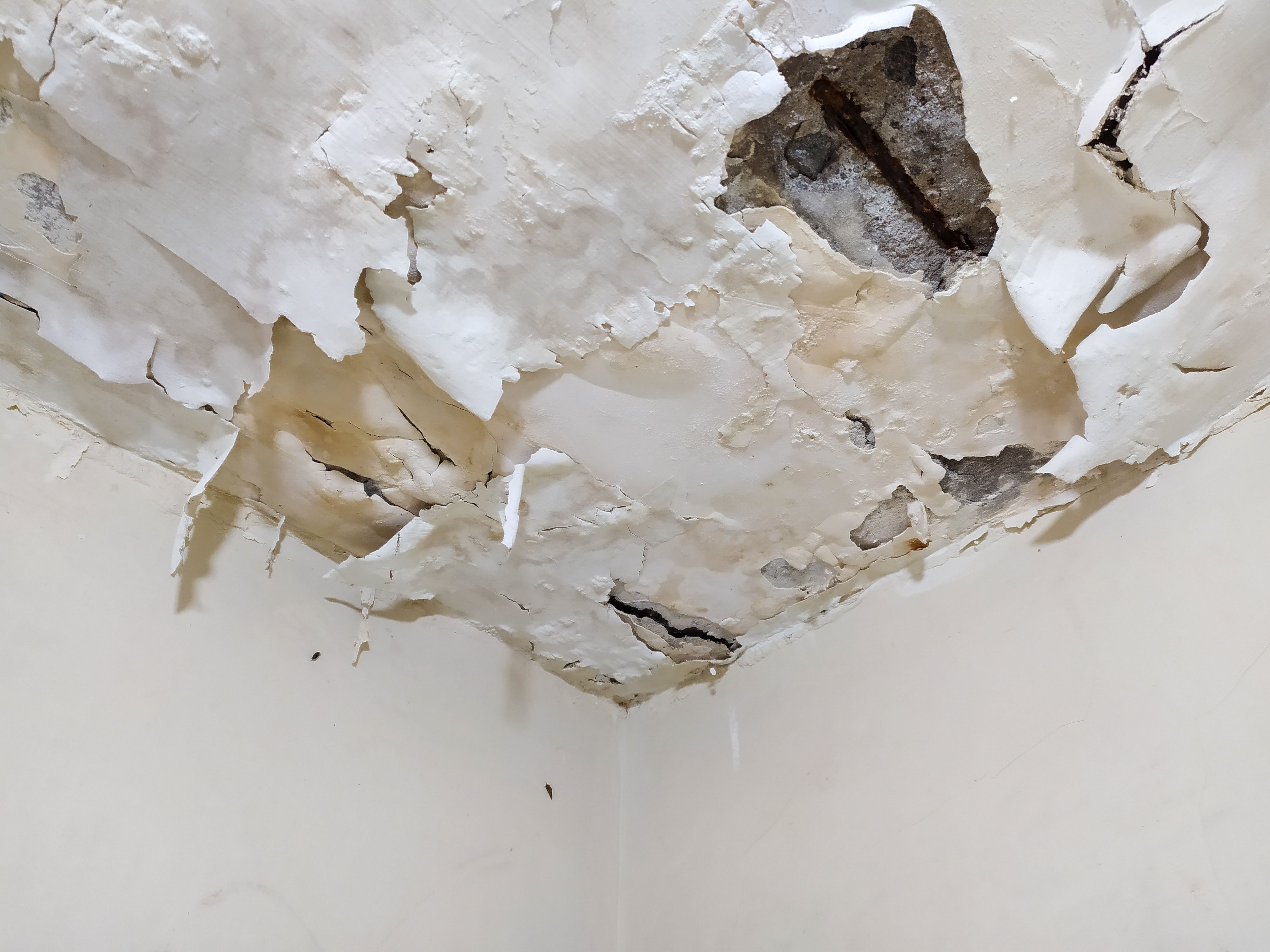
Water damage can occur due to various reasons such as flooding, burst pipes, or heavy rainfall. In Multnomah County, the risk of water damage is heightened due to frequent rainstorms and proximity to bodies of water. Understanding the types of water damage is crucial to effectively manage and restore affected areas.
Types of Water Damage
Water damage is generally categorized into three types:
- Clean Water Damage: Caused by sources like rainwater, broken pipes, and overflowing sinks. This type of water damage is relatively easy to manage.
- Gray Water Damage: Involves water from appliances like washing machines and dishwashers. It may contain contaminants and requires more careful handling.
- Black Water Damage: The most severe type, caused by sewage or flooding from rivers. It contains harmful bacteria and requires professional intervention.
Steps to Restore Water Damage
Restoring water damage involves several critical steps to ensure thorough cleanup and prevention of further issues. Here's a comprehensive guide to the restoration process:
Step 1: Assessment and Inspection
The first step in water damage restoration is a detailed assessment. Professionals evaluate the extent of the damage and identify the water source. This step is crucial for developing an effective restoration plan.
Step 2: Water Removal
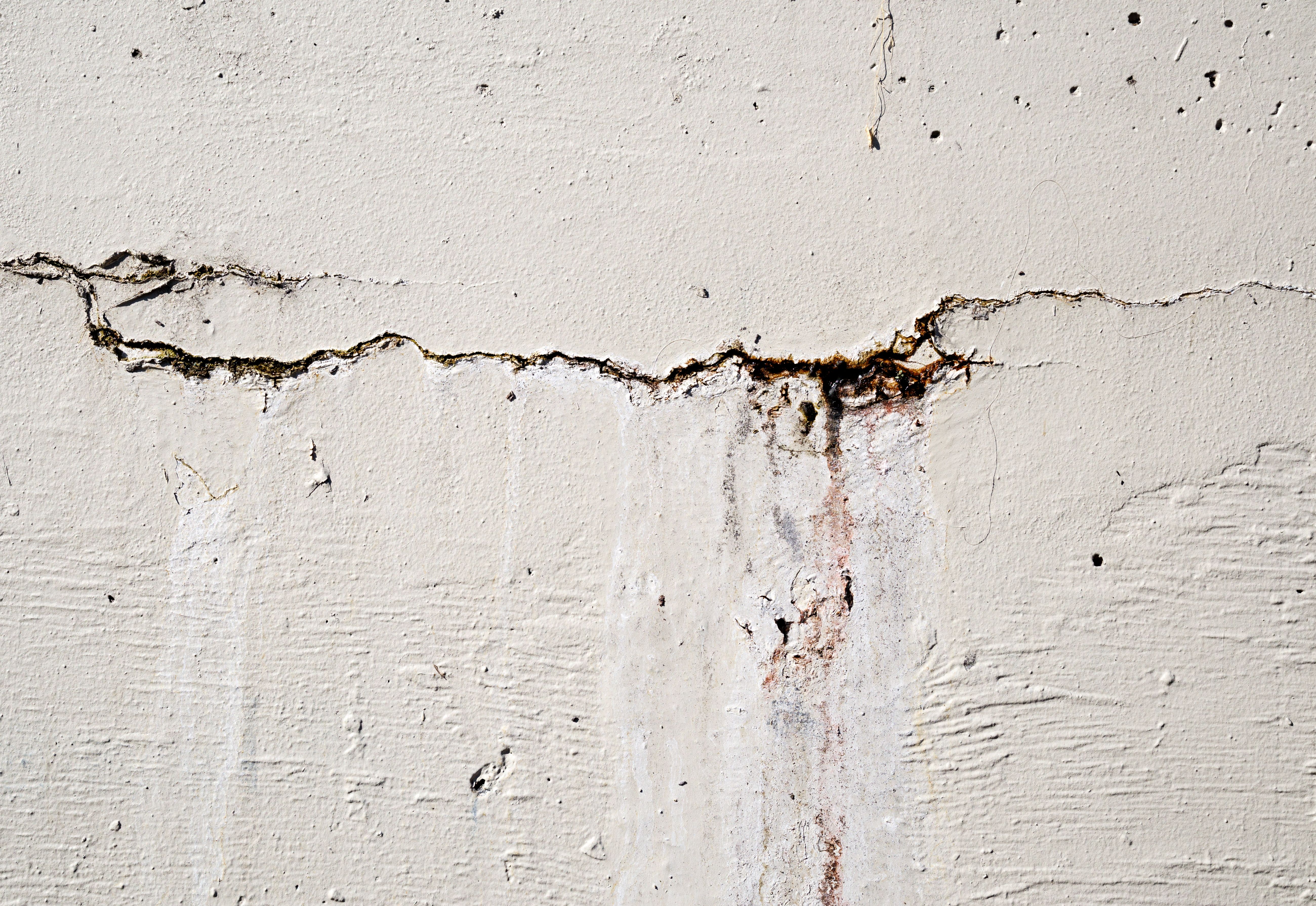
Once the assessment is complete, the next step is to remove all standing water. This is done using powerful pumps and vacuums. Quick removal helps reduce the risk of mold growth and further damage.
Mold Prevention and Control
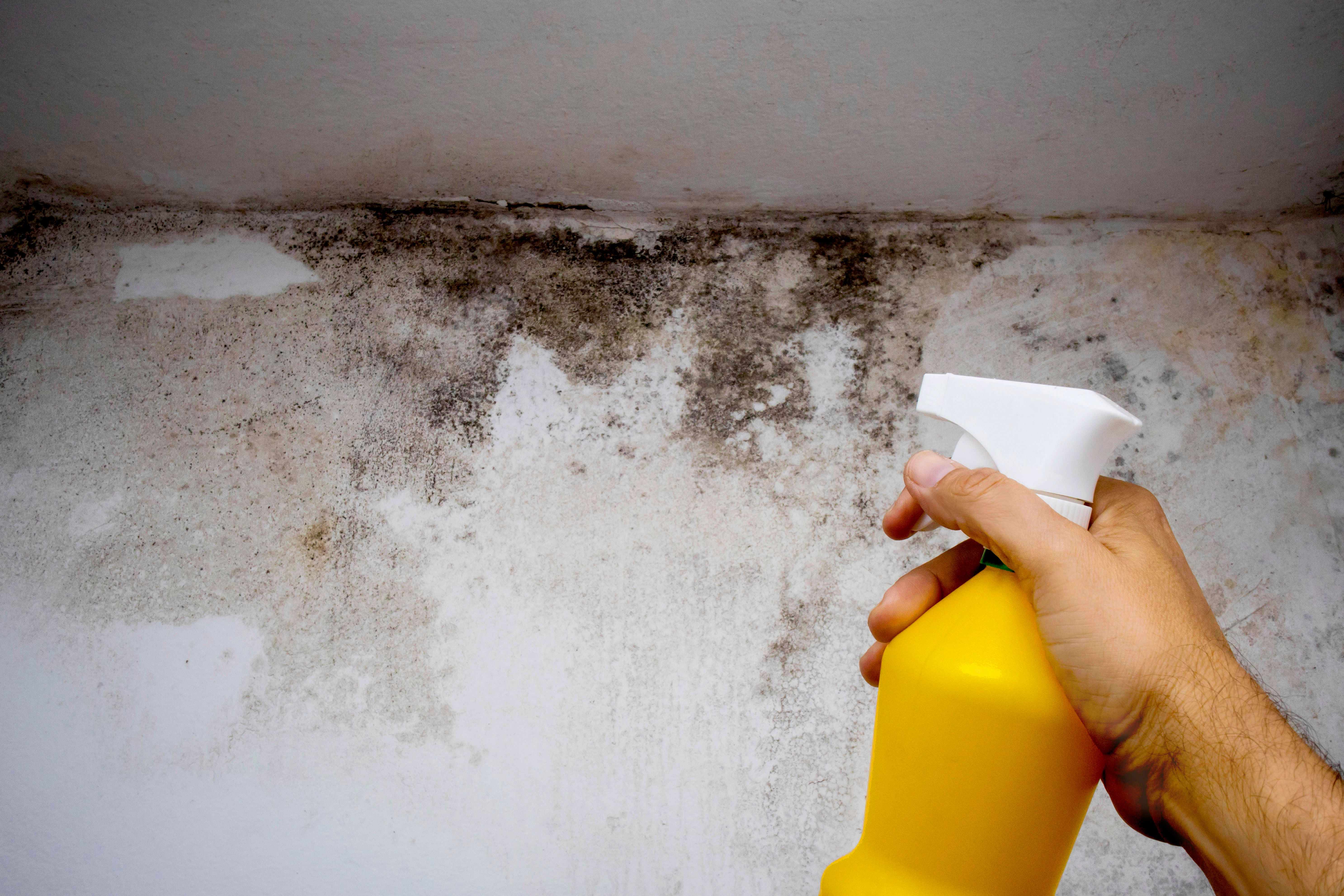
Mold growth is a common consequence of water damage. In Multnomah County, where humidity levels are often high, mold can develop rapidly. Preventative measures are essential to control mold.
Drying and Dehumidification
After water removal, drying and dehumidification are critical. Industrial-grade dehumidifiers and air movers are used to remove moisture from walls, floors, and furniture. This step helps prevent mold and mildew.
Repair and Restoration
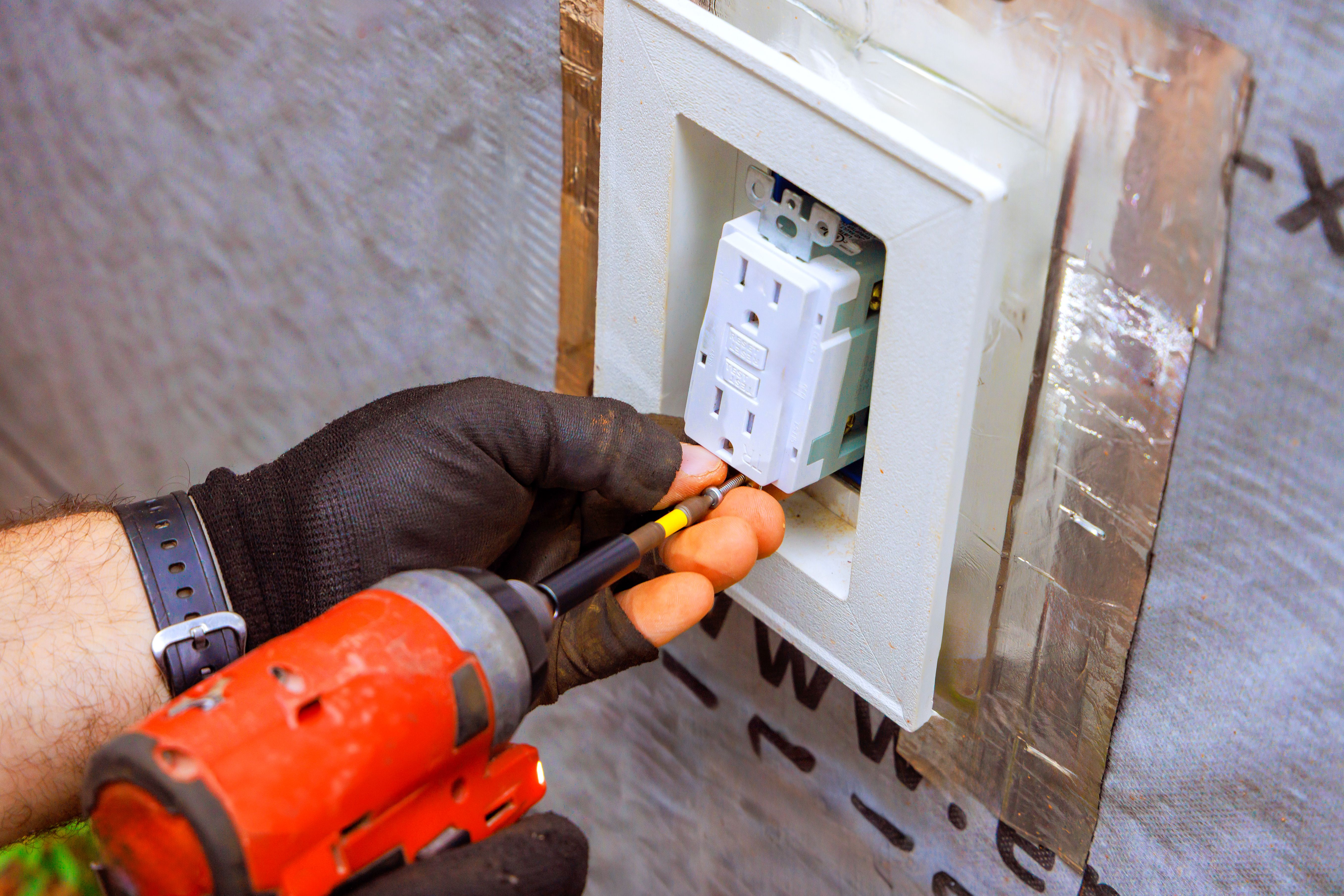
The final step in water damage restoration is repairing and restoring the affected areas. This may involve replacing drywall, installing new carpeting, or repairing structural elements of the building.
Choosing a Professional Service
In Multnomah County, several professional services specialize in water damage restoration. It's essential to choose a service with experience and a strong reputation to ensure the best results.
Conclusion
Water damage restoration is a complex process that requires expertise and careful attention to detail. By understanding the types of water damage and following the appropriate restoration steps, you can effectively manage and recover from water-related incidents. Always consider professional assistance to ensure the safety and integrity of your property.