Essential Steps for Storm Water Damage Repair in Multnomah County


Understanding the Impact of Storm Water Damage
Storm water damage is a significant concern for residents in Multnomah County. Heavy rains can lead to flooding, causing serious damage to homes and infrastructure. Understanding the impact is crucial for effective repair and prevention strategies.
Initial Assessment and Safety Precautions
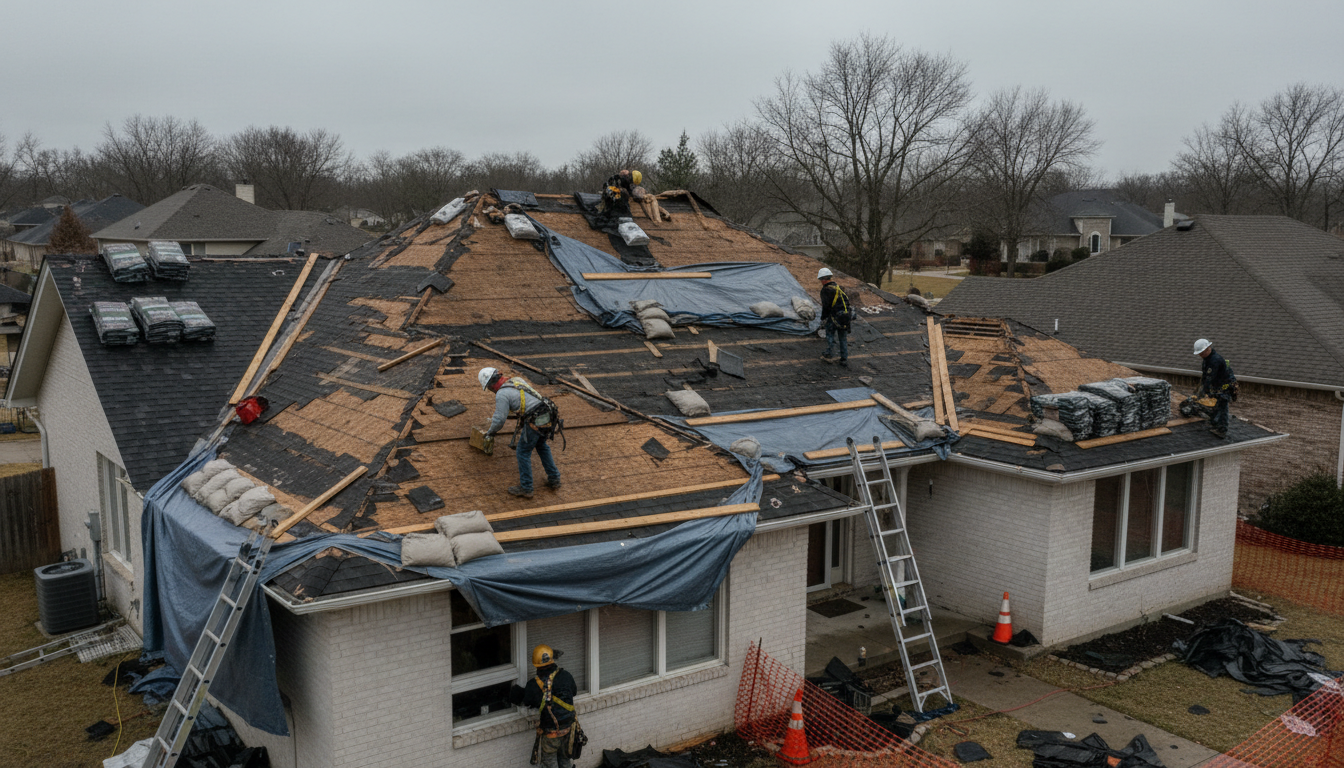
Before beginning any repairs, it's essential to assess the extent of the damage. Ensure the safety of all individuals involved by turning off electricity in affected areas and wearing protective gear. This initial assessment will help prioritize repair efforts and allocate resources effectively.
Water Extraction and Drying
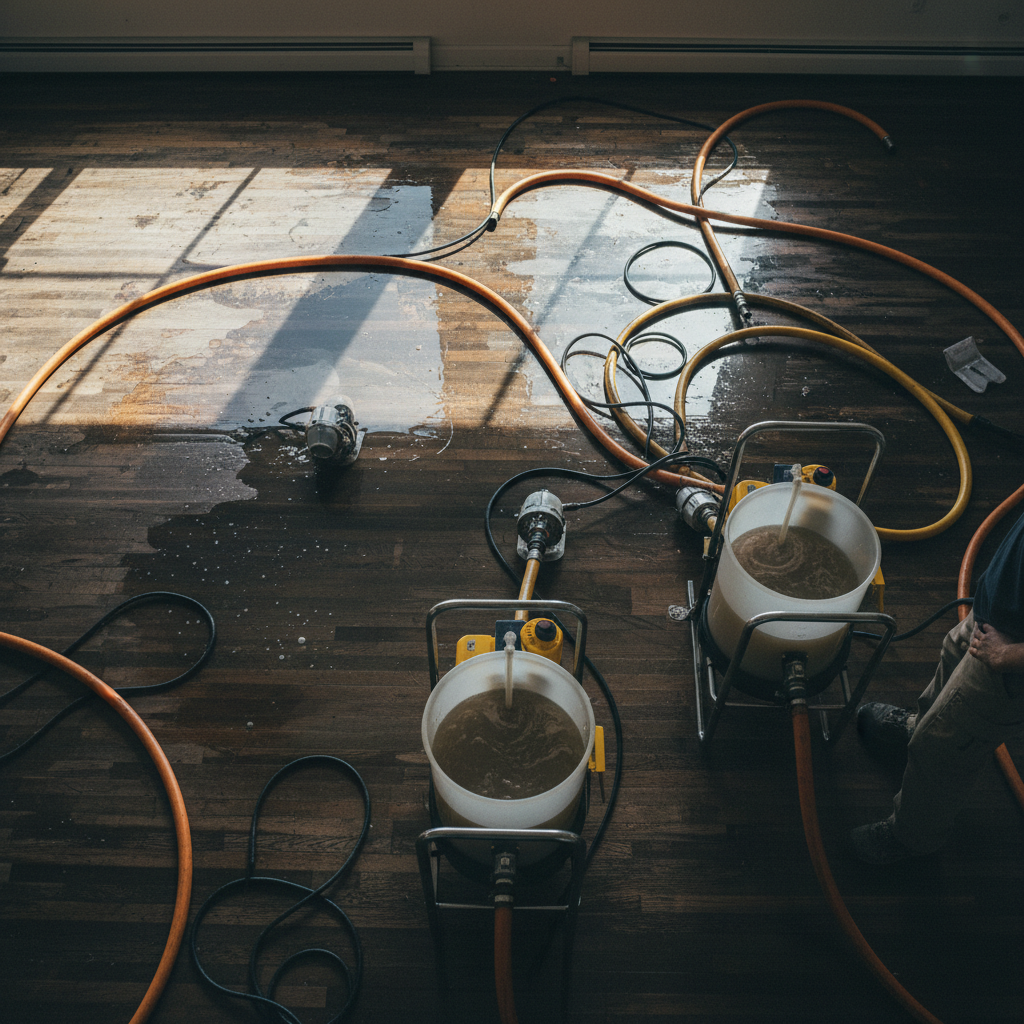
Once safety is ensured, water extraction is the next critical step. Use pumps and vacuums to remove standing water. After extraction, dehumidifiers and fans should be employed to dry out the area completely. This process helps prevent mold growth, which can exacerbate damage and health risks.
Damage Repair and Restoration
After drying, repairs can begin. This involves replacing damaged drywall, flooring, and insulation. It's vital to use water-resistant materials where possible to mitigate future risks. Professional restoration services can be beneficial in ensuring that repairs are thorough and up to code.
Mold Prevention and Treatment
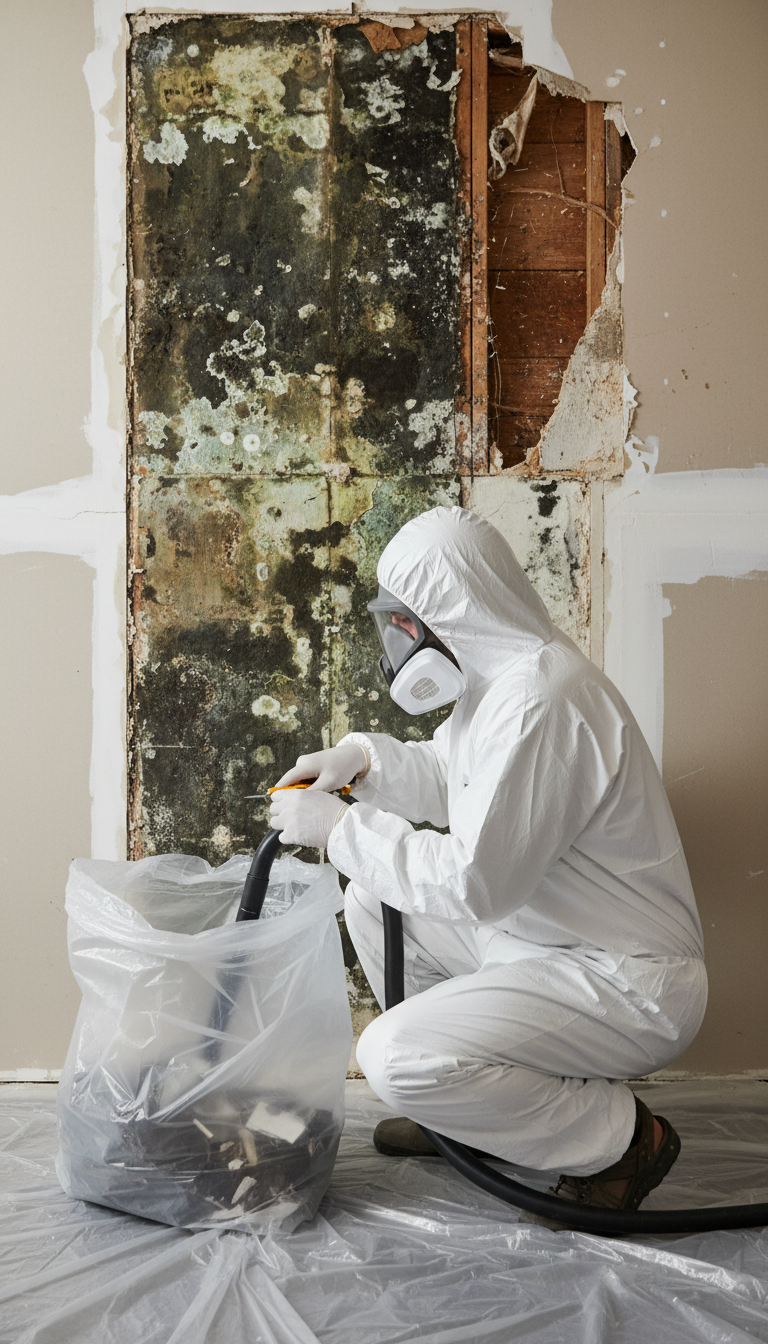
Mold can develop quickly after water damage, posing health risks and structural concerns. Regular inspections and treatments with mold inhibitors are essential. If mold is present, professional removal services are recommended to ensure it is thoroughly eradicated.
Insurance and Financial Considerations
Dealing with insurance claims can be daunting. Document all damage with photographs and detailed reports. Contact your insurance provider promptly to understand your coverage and begin the claims process. This step can alleviate some of the financial burdens associated with repairs.
Preventative Measures for Future Storms
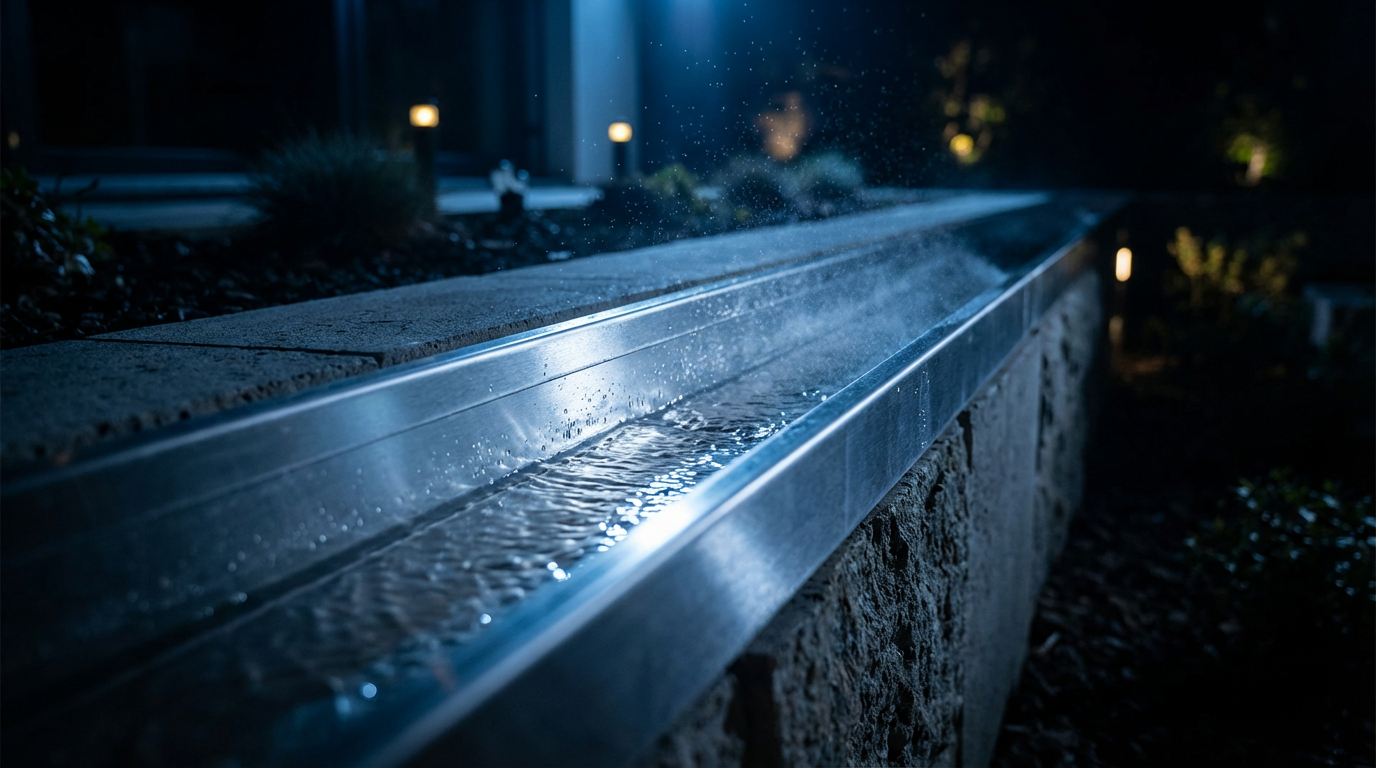
To reduce the risk of future water damage, consider implementing preventative measures. These can include installing sump pumps, improving drainage systems, and sealing cracks in the foundation. Regular maintenance and inspections can also help identify potential vulnerabilities before they become major issues.
Community Resources and Support
Multnomah County offers various resources and support systems for residents dealing with storm water damage. Local government websites often provide information on emergency services, grants, and community assistance programs that can be invaluable during recovery efforts.
Conclusion
Storm water damage repair involves several critical steps, from initial assessment to preventative measures. By understanding and implementing these essential steps, residents of Multnomah County can effectively manage and minimize the impact of storm water damage, ensuring a safer and more resilient community.