Expert Tips for Preventing Fire Damage in Commercial Buildings


Fire damage in commercial buildings can lead to devastating consequences, not only in terms of physical destruction but also in terms of financial loss and operational downtime. By taking proactive measures, businesses can significantly reduce the risk of fire and its associated damages.
Conduct Regular Risk Assessments
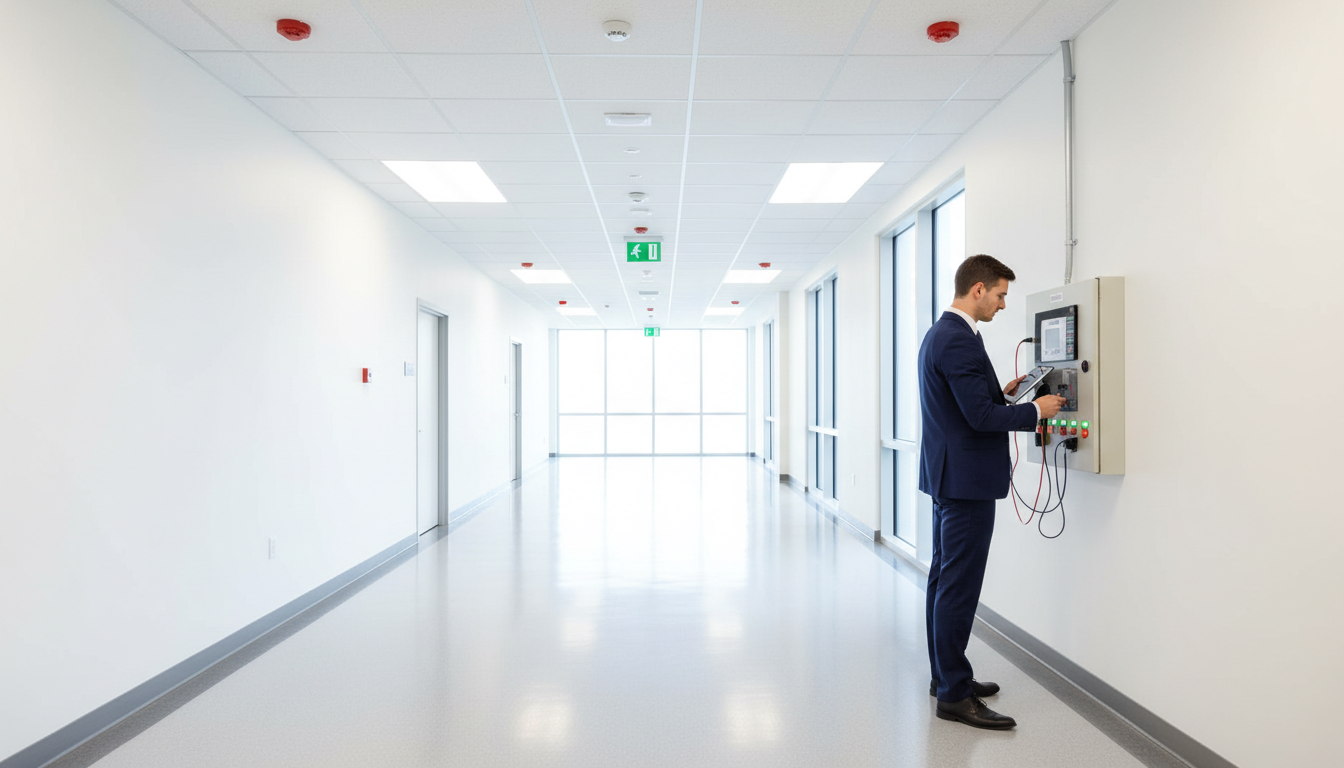
One of the first steps in preventing fire damage is to conduct regular risk assessments. This involves evaluating the premises to identify potential fire hazards and vulnerabilities. These assessments should be carried out by qualified professionals who can provide detailed reports and recommendations.
Ensuring that all electrical systems are up to code and regularly inspected is crucial. Faulty wiring or overloaded circuits can easily become fire hazards.
Establish a Fire Safety Plan
Every commercial building should have a comprehensive fire safety plan. This plan must include clearly marked evacuation routes, assembly points, and responsibilities for staff during an emergency. Regular fire drills should be conducted to ensure everyone knows how to respond quickly and safely.
Install and Maintain Fire Protection Systems
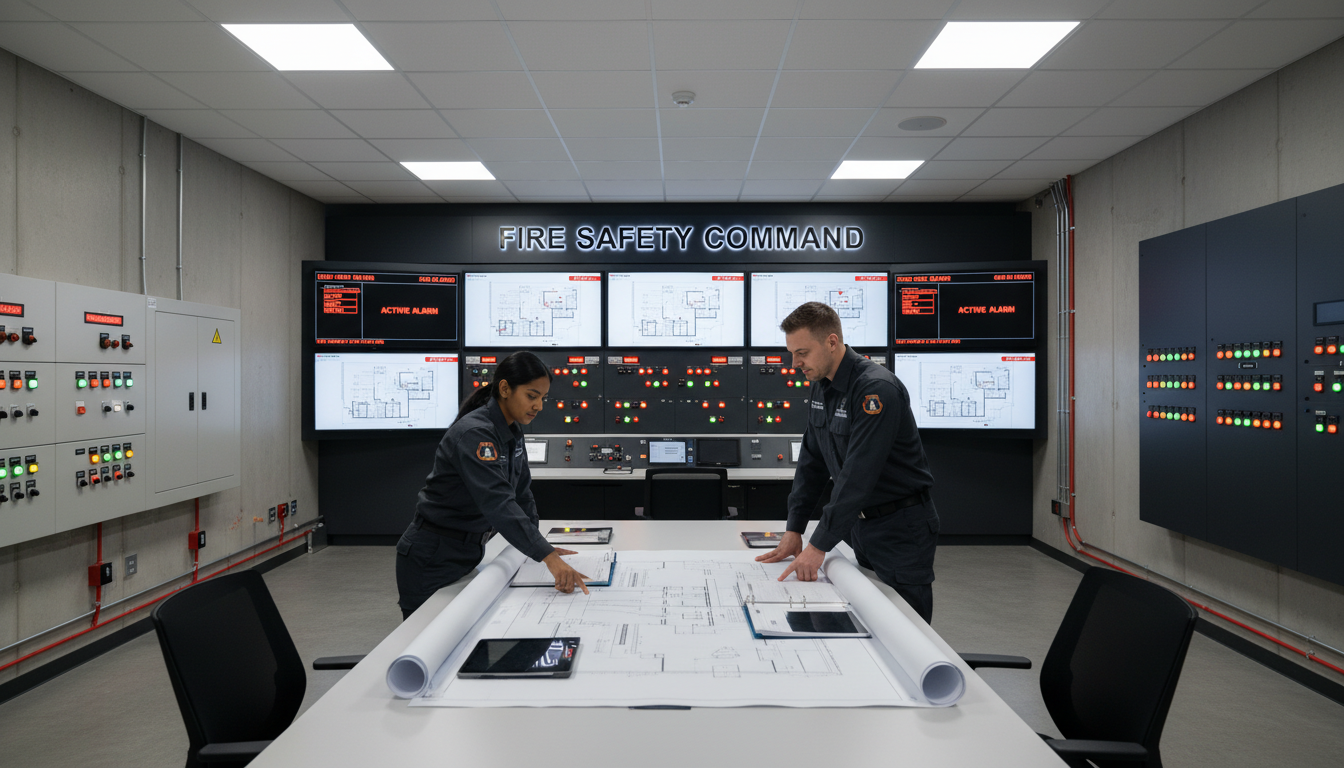
Investing in fire protection systems is essential. These systems include smoke detectors, fire alarms, and sprinkler systems. It's important to ensure these systems are regularly tested and maintained to function properly when needed.
Consider installing fire extinguishers in accessible locations throughout the building. Training employees on how to use them effectively can make a significant difference in preventing small fires from spreading.
Control Flammable Materials
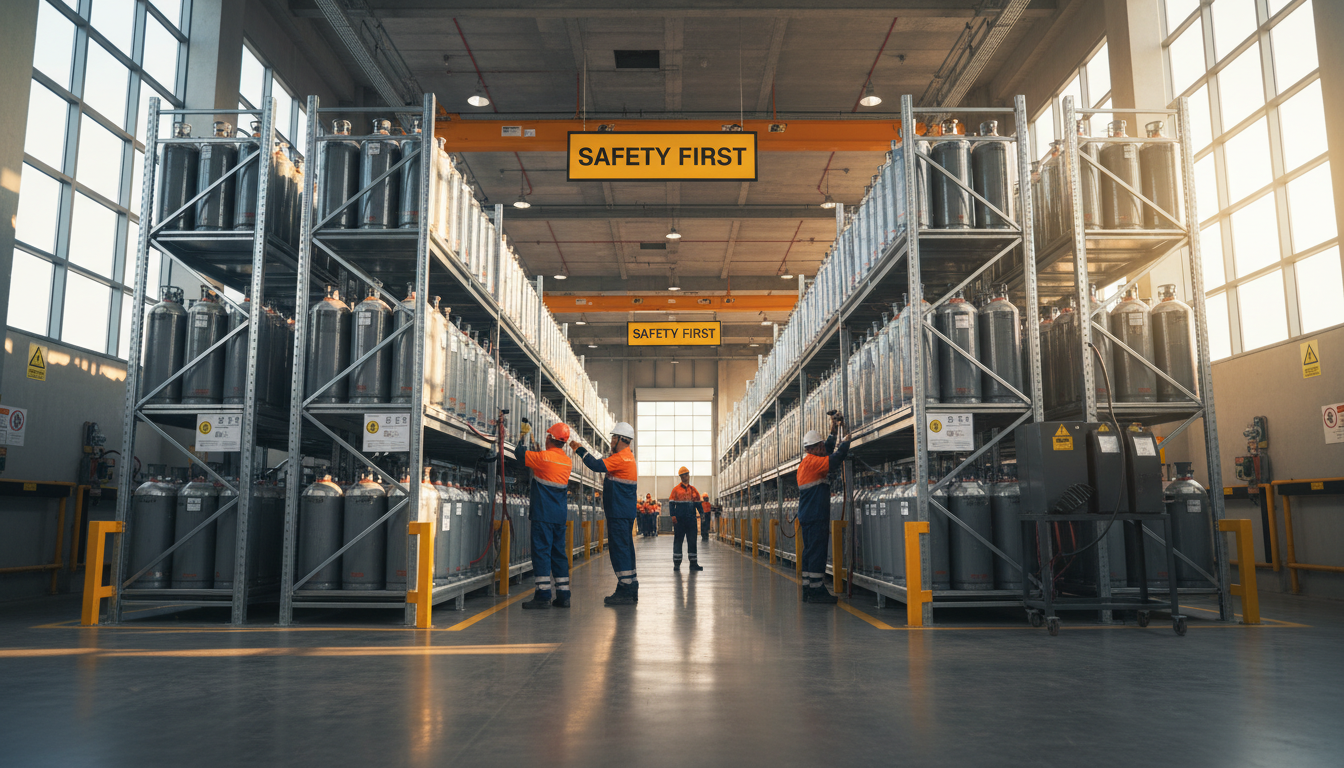
Proper storage and handling of flammable materials can prevent many fire incidents. These materials should be stored in designated areas away from ignition sources, and all safety data sheets should be available and reviewed regularly.
Implement a Smoking Policy
Smoking is a common cause of fires in commercial buildings. Implementing a strict no-smoking policy within the building and designating safe smoking areas outside can reduce this risk. Ensuring that these areas are equipped with appropriate disposal options for cigarette butts is also important.
Regular Staff Training
Regular training sessions for staff on fire safety and emergency procedures can significantly enhance preparedness. Employees should be aware of how to use fire safety equipment, recognize fire hazards, and understand their role in an emergency.
By taking these expert-recommended precautions, businesses can effectively minimize the risk of fire damage, ensuring the safety of their employees and the continuity of their operations.