Fire Damage Restoration Explained: From Assessment to Recovery


Understanding the Initial Assessment
Experiencing a fire in your home or business can be devastating. The first step in fire damage restoration is the initial assessment. Professionals will evaluate the extent of the damage, considering factors such as the intensity of the fire and the areas affected. This assessment is crucial for developing a comprehensive restoration plan.
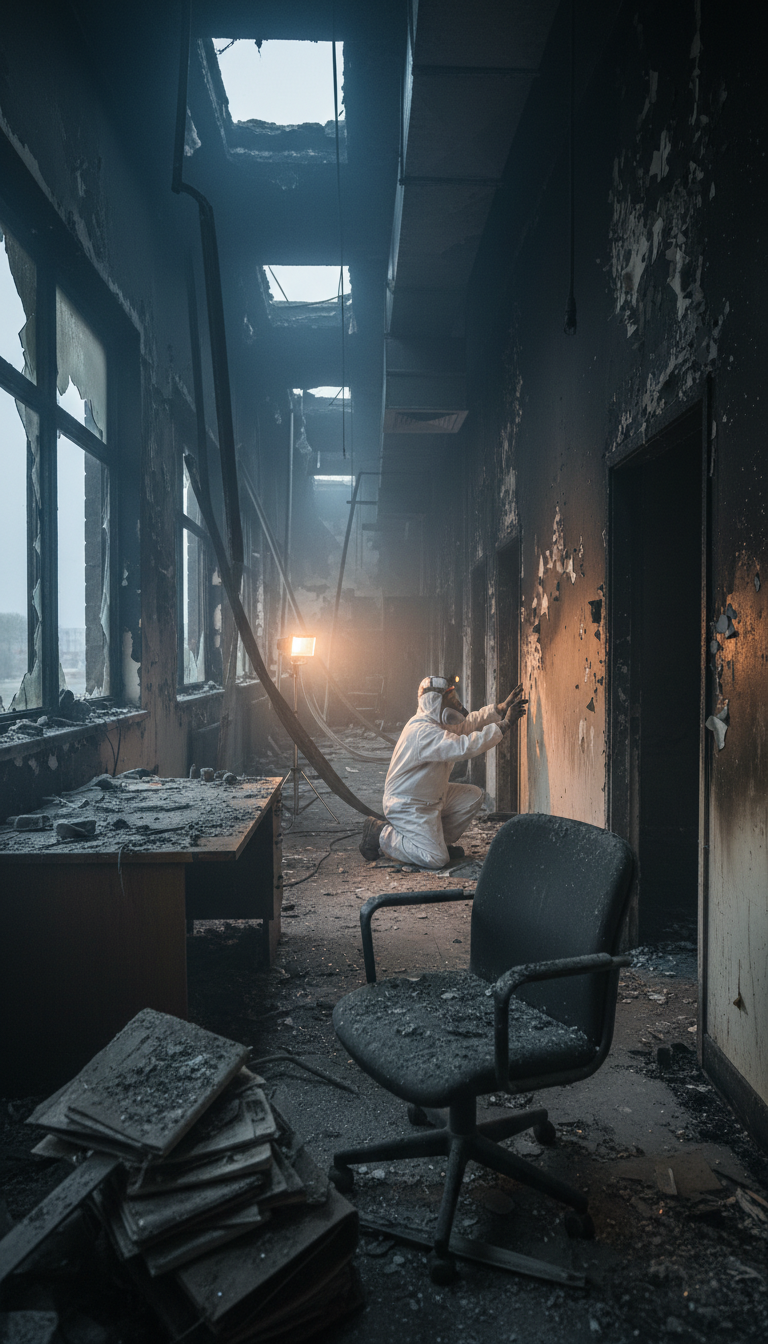
During this phase, specialists inspect structural components, including walls, ceilings, and floors, to determine their safety and stability. They also check for smoke and soot damage, which can affect indoor air quality and cause health issues if not properly addressed.
Creating a Restoration Plan
After the assessment, a detailed restoration plan is created. This plan outlines the necessary steps to restore the property to its pre-fire condition. It includes timelines, cost estimates, and specific tasks that need to be completed.
Key elements of the plan may involve debris removal, cleaning, and repairing structural damage. Prioritizing tasks ensures that essential services are restored quickly, reducing further inconvenience for the property owner.

Debris Removal and Cleaning
The next step in the process is debris removal. This involves clearing out any charred materials and items beyond repair. Proper disposal is essential to prevent contamination and ensure safety during the restoration process.
Once debris is removed, thorough cleaning begins. This step addresses smoke and soot residues, which can permeate walls and furniture. Specialized cleaning agents and techniques are used to neutralize odors and prevent further damage.
Repairing Structural Damage
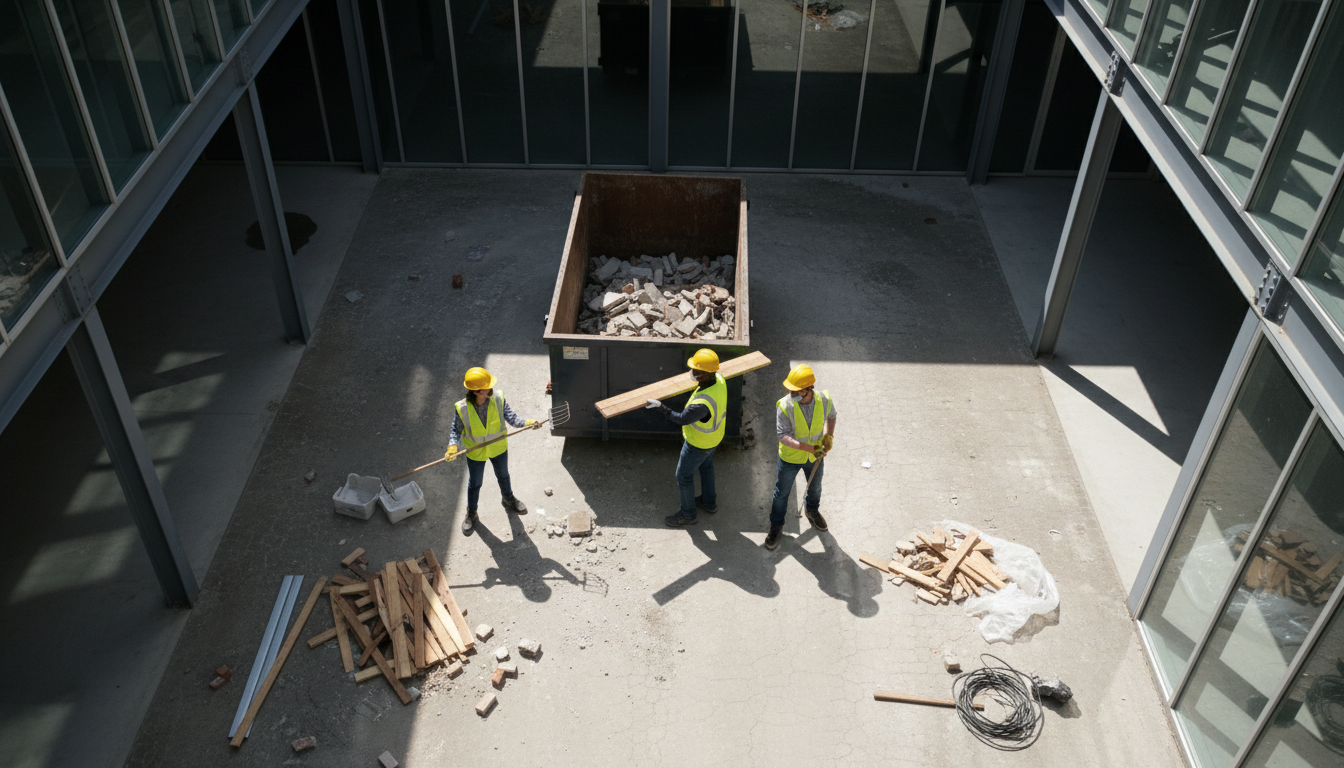
Repairing structural damage is critical to restoring the safety and integrity of the building. This may include reinforcing or replacing damaged walls, roofs, and floors. Skilled contractors work meticulously to ensure that repairs meet safety standards.
In some cases, it may be necessary to upgrade certain materials for improved fire resistance. This not only restores the property but also enhances its resilience against future incidents.
Restoring Personal Belongings
Personal belongings often hold sentimental value, making their restoration a priority. Items such as clothing, furniture, and electronics may be salvageable with the right techniques. Professionals use specialized equipment to clean and restore these possessions.

In some situations, items may need to be removed off-site for more intensive restoration efforts. This process ensures that personal belongings are returned in the best possible condition.
Final Inspection and Recovery
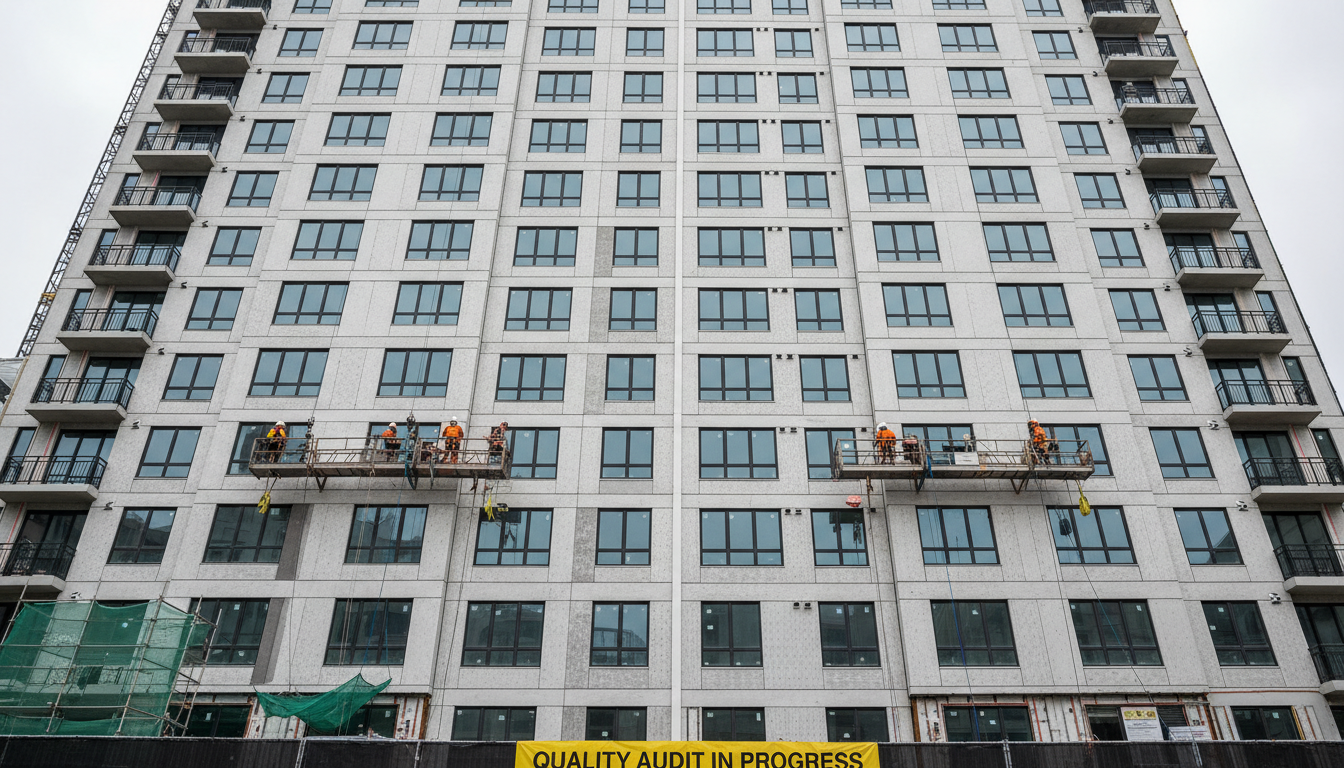
The last step in fire damage restoration is a final inspection to ensure that all work meets quality and safety standards. This includes checking for any remaining odors, verifying structural repairs, and confirming the restoration of utilities.
Once the final inspection is complete, the property is ready for reoccupation. The recovery process can be emotionally and physically taxing, but with professional help, it is possible to rebuild and move forward.