How to Board Up Broken Windows: A Step-by-Step Tutorial


Introduction
Dealing with a broken window can be stressful, but knowing how to board it up properly can prevent further damage and ensure safety. This step-by-step guide will walk you through the process of boarding up a broken window effectively.
Gathering Your Materials
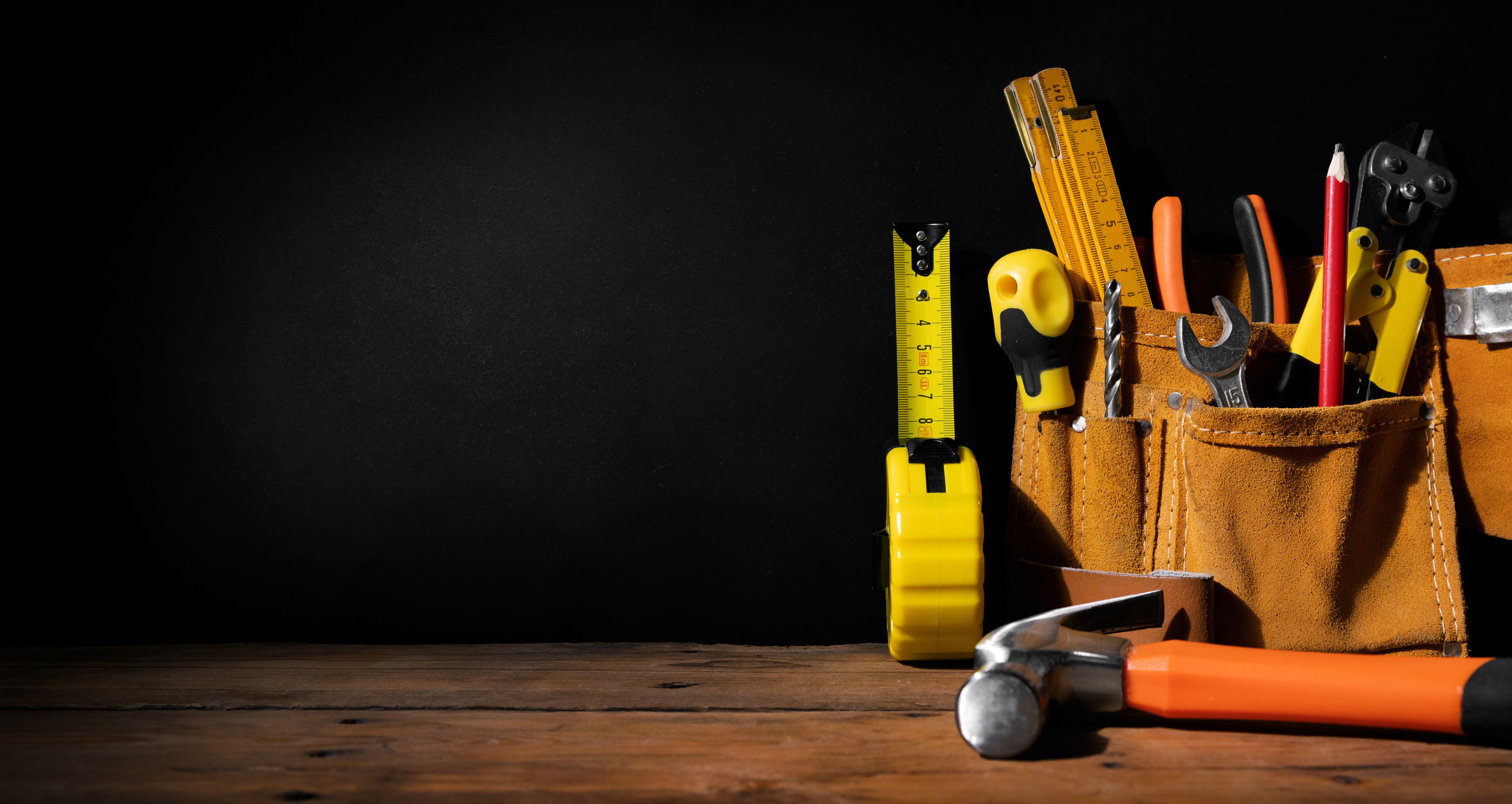
Before you start, make sure you have all the necessary materials. You'll need plywood, a saw, a drill, screws, a measuring tape, and safety gear such as gloves and goggles. Having these items ready will make the process smoother and more efficient.
Measuring the Window
Accurate measurements are crucial for a secure fit. Use a measuring tape to measure the height and width of the window frame. Ensure your measurements are precise to avoid any gaps when boarding up the window.
Cutting the Plywood
Once you've measured the window, transfer these measurements onto the plywood. Use a saw to cut the plywood to the size of your window measurements. It's important to cut carefully to ensure a snug fit.
Securing the Plywood
Now that you have your plywood cut to size, it's time to secure it over the broken window. Position the plywood over the window frame and use a drill to screw it into place. Ensure you use enough screws to secure the plywood firmly, focusing on the corners and edges.
Checking Stability
After securing the plywood, check its stability. Gently push on different areas of the board to ensure it’s tightly fastened. If there is any movement, add more screws to reinforce the hold.

Adding Finishing Touches
Once the plywood is firmly in place, you may want to add additional sealing around the edges. This can help prevent further damage from weather conditions and improve the overall security of the boarded-up window.
Conclusion
Boarding up a broken window is a straightforward process if you follow these steps. By preparing your materials, measuring accurately, and securing the plywood properly, you can protect your home until a permanent repair is made. Remember, safety comes first, so always wear protective gear during the process.