How to Prevent Storm Water Damage: Expert Tips for Portland Residents


Storm water damage can pose significant challenges for homeowners in Portland. With the city's frequent rain and occasional storms, it's crucial to take preventative measures to protect your property. Here are some expert tips to help you safeguard your home against potential water damage.
Understand Your Property's Water Flow
Before you can effectively prevent storm water damage, it's essential to understand how water flows around your property. Observe your yard during a heavy rainstorm to identify areas where water tends to collect or flow toward your home. Knowing these spots will help you take targeted action.
Consider hiring a professional to assess your property's drainage system. They can provide insights into potential vulnerabilities and recommend solutions tailored to your specific needs.
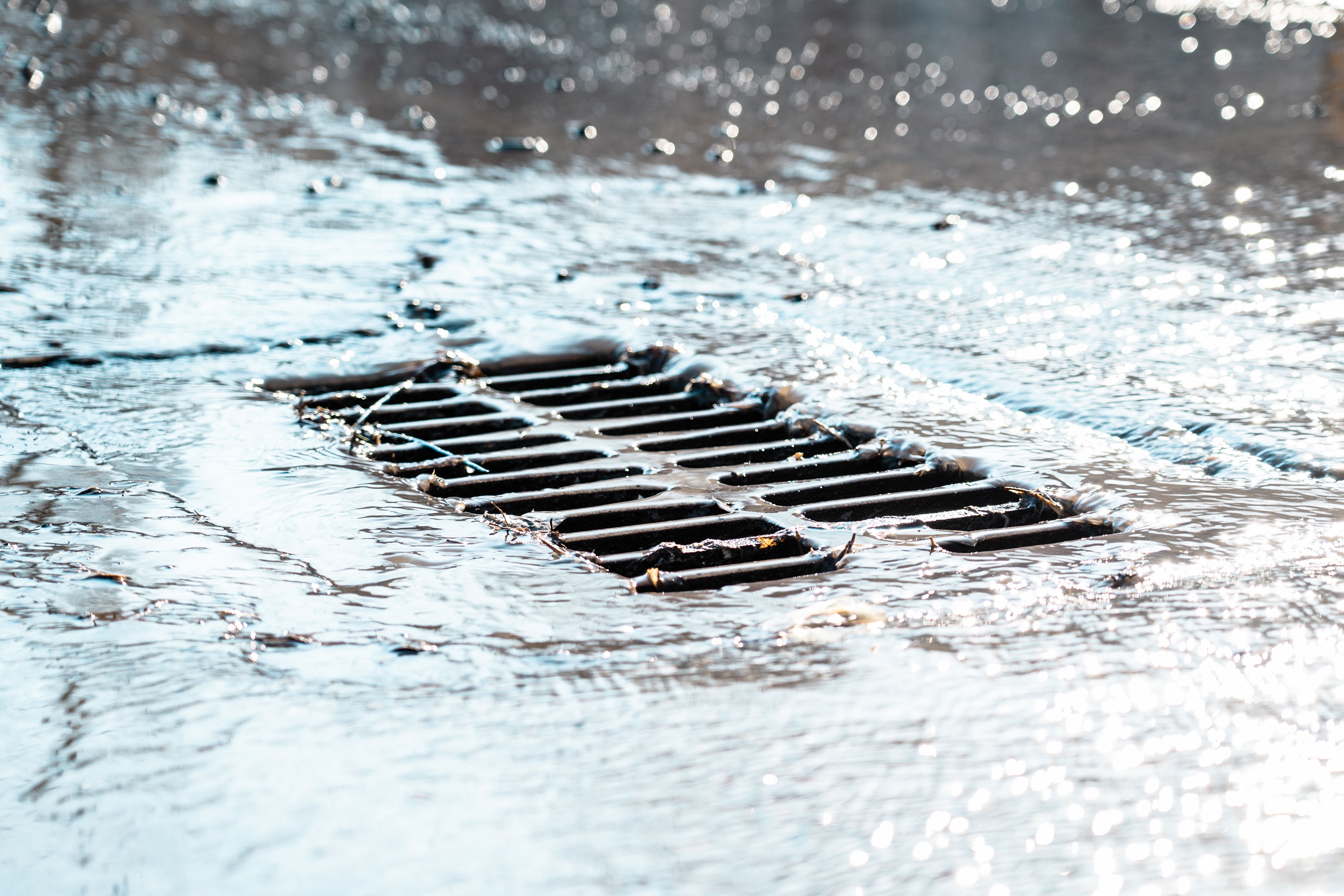
Maintain Gutters and Downspouts
One of the simplest yet most effective ways to prevent water damage is by regularly maintaining your gutters and downspouts. Clogged gutters can lead to water overflow, which can damage your roof and foundation.
Here's how to keep them in top shape:
- Clean gutters at least twice a year, or more often if you have overhanging trees.
- Ensure downspouts direct water at least 10 feet away from your home.
- Inspect for any leaks or damage and repair them promptly.
Install a Rain Garden
A rain garden is an attractive and environmentally friendly way to manage storm water runoff. By strategically planting native vegetation in low-lying areas of your yard, you can help absorb rainwater and reduce runoff.
Not only do rain gardens help manage storm water, but they also enhance the aesthetic appeal of your landscape and support local wildlife.

Consider Permeable Paving
Traditional concrete or asphalt driveways and walkways can contribute to water runoff. Upgrading to permeable paving materials allows water to seep through, reducing runoff and helping recharge groundwater.
Options include permeable concrete, asphalt, and interlocking pavers. Each of these materials offers different aesthetic and functional benefits, so consider consulting with a professional to choose the best option for your property.
Inspect and Seal Your Foundation
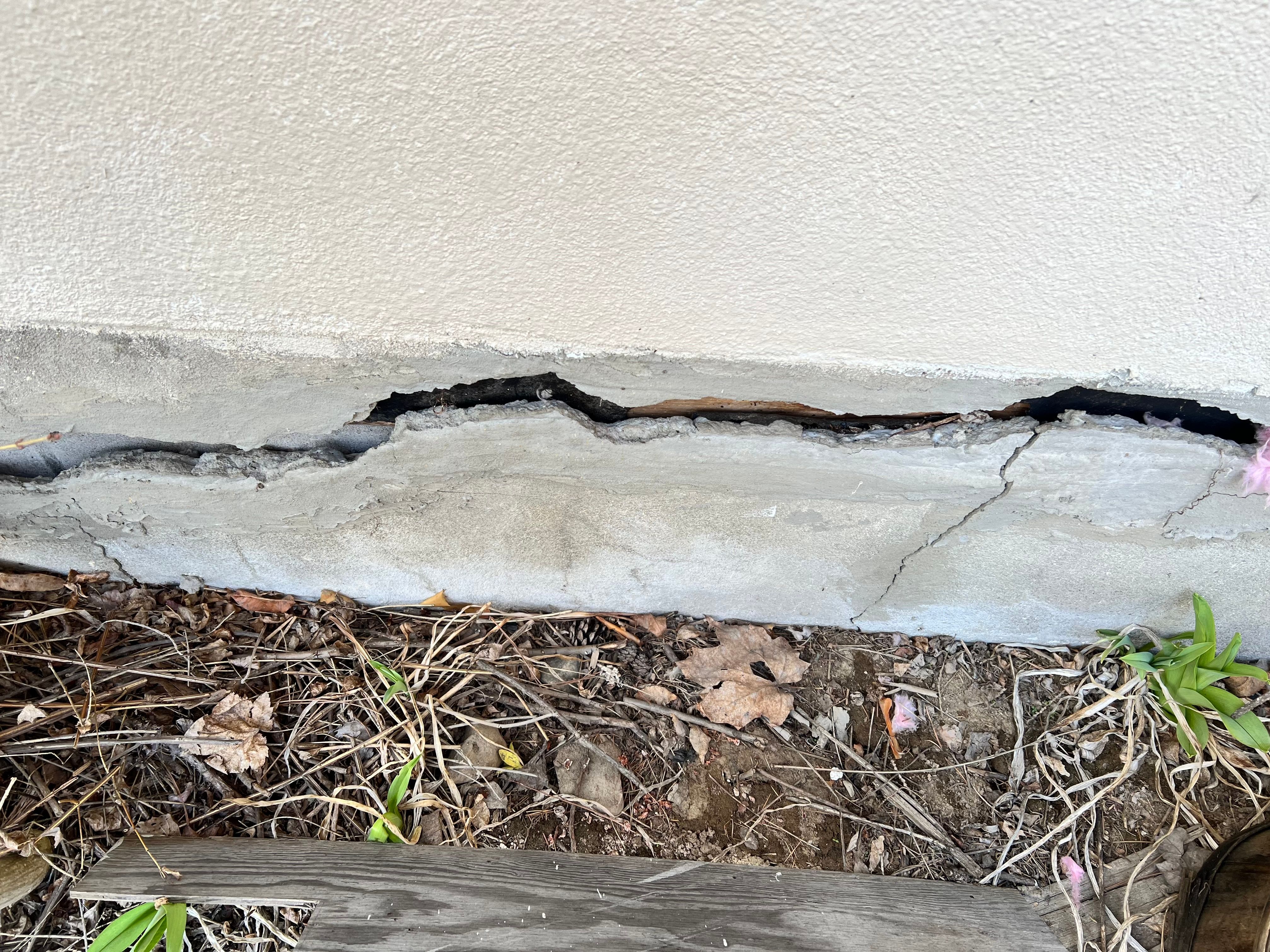
Your home's foundation is the last line of defense against water intrusion. Regularly inspecting and sealing your foundation can prevent water from seeping into your basement or crawl space.
Look for cracks or gaps in your foundation and use a high-quality sealant to repair any issues. If you notice significant damage, it may be time to consult a professional for more extensive repairs.
Invest in a Sump Pump
If your home has a basement, a sump pump is an essential tool to protect against water damage. Sump pumps help remove water that accumulates in your basement, preventing flooding and minimizing damage.
Ensure your sump pump is in good working condition and consider installing a battery backup to keep it operational during power outages.
By taking these proactive steps, Portland residents can significantly reduce the risk of storm water damage. With a combination of regular maintenance and strategic improvements, you can protect your home and enjoy peace of mind, no matter what the weather brings.