How to Safeguard Your Home Against Fire Damage: An Expert's Advice


Understanding the Risks of Fire Damage
Fire damage is a serious threat to homes across the globe. Understanding the risks associated with fires can help you take proactive measures to safeguard your home. Fires can start from a variety of sources, such as faulty wiring, unattended candles, or kitchen mishaps.
It's crucial to be aware of the potential hazards and how they can impact your home. By identifying these risks, you can implement effective strategies to minimize them and protect your property.

Install and Maintain Smoke Alarms
One of the simplest yet most effective ways to protect your home is by installing smoke alarms. These devices provide early warnings, which can be crucial in preventing significant fire damage. Ensure that smoke alarms are placed on every floor and inside each bedroom.
Regular maintenance is key to their effectiveness. Test your smoke alarms monthly and replace the batteries at least once a year. Consider investing in interconnected smoke alarms for added safety, as they can alert you even if the fire starts in a different part of the house.
Create a Fire Escape Plan
Having a well-thought-out fire escape plan is essential for the safety of your family. This plan should include multiple escape routes from each room and a designated meeting point outside the house. Practice the escape plan regularly with all family members to ensure everyone knows what to do in case of a fire.

During the drill, emphasize the importance of staying low to the ground to avoid smoke inhalation and never re-entering the building once you've exited. These practices can save lives and reduce panic during an actual emergency.
Invest in Fire-Resistant Materials
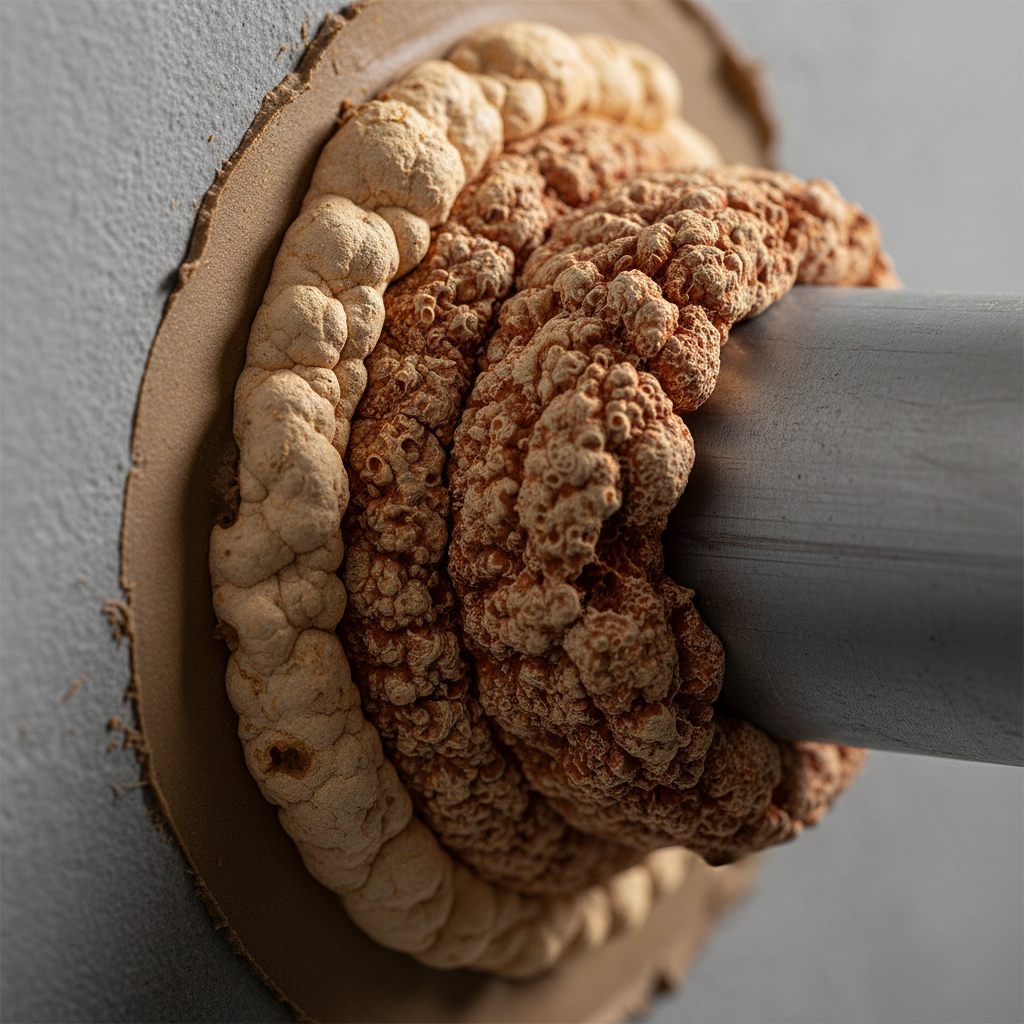
When building or renovating your home, consider using fire-resistant materials. These materials can significantly reduce the spread of fire, giving you more time to react and potentially lessening the damage to your property.
For instance, consider using fire-rated doors, windows, and roofing materials. Additionally, treat fabrics and furniture with fire-retardant sprays for added protection. Making these investments can enhance your home's overall safety.
Practice Safe Cooking Habits
The kitchen is one of the most common places for fires to start, making safe cooking habits essential. Never leave cooking unattended, especially when using high heat. Keep flammable items, like dish towels and paper towels, away from the stovetop.
Having a fire extinguisher in the kitchen and knowing how to use it can be a lifesaver. Regularly clean your oven and stovetop to prevent grease buildup, which can easily ignite.
Regularly Inspect Electrical Systems
Faulty electrical systems are a leading cause of house fires. It's important to have your home's electrical systems inspected by a professional at least once a year. Look for signs of wear and tear, such as frayed wires or flickering lights.
Avoid overloading electrical outlets and unplug appliances when not in use. These precautions can help prevent an electrical fire and protect your home from extensive damage.