Smoke Damage Cleanup: Steps to Restore Your Home


Understanding Smoke Damage
Smoke damage can be devastating to your home, leaving behind a lingering odor and unsightly stains. It's essential to address smoke damage promptly to prevent further issues. This guide will walk you through the necessary steps to restore your home to its original condition.
Initial Assessment and Safety
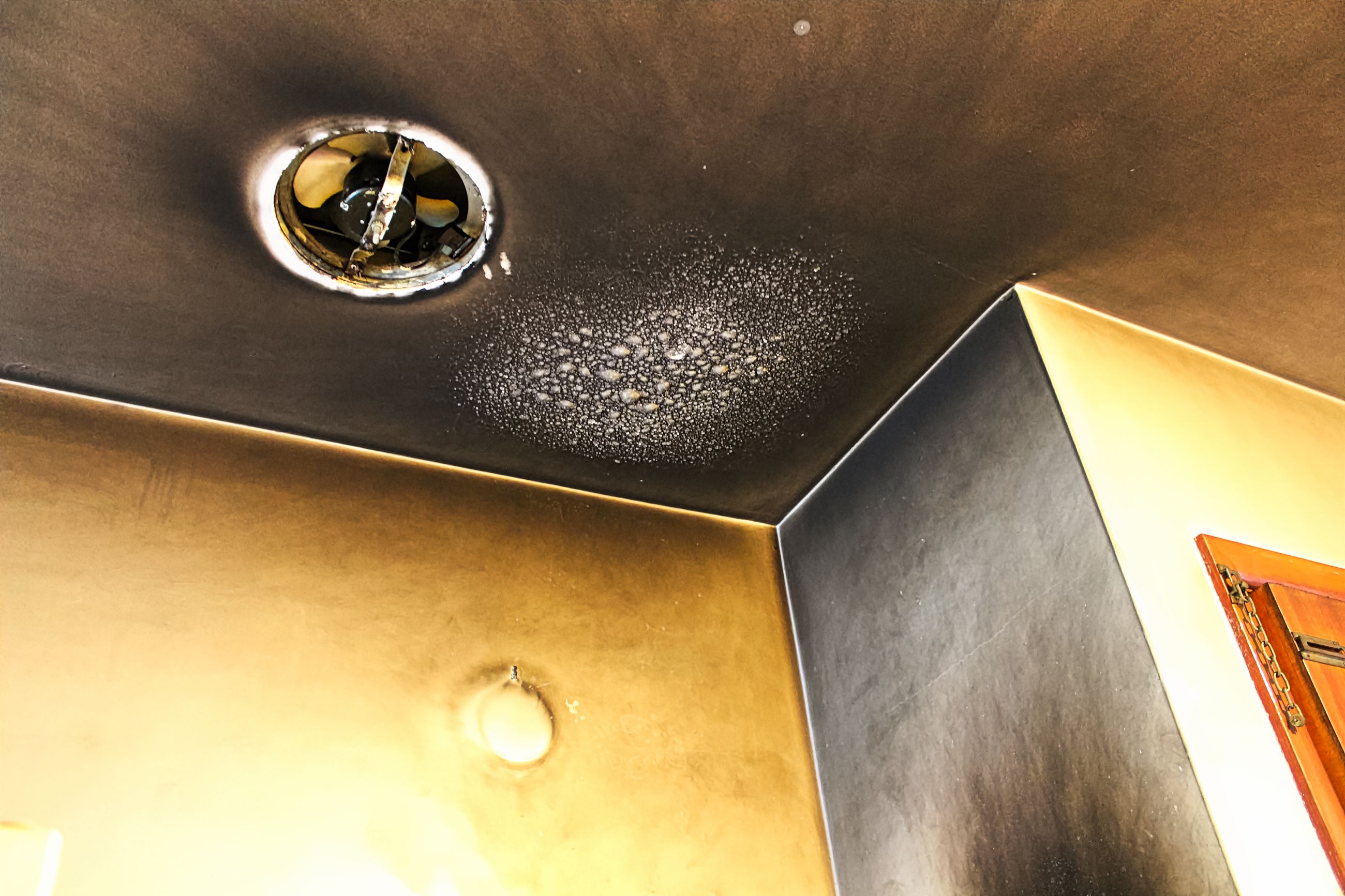
Before beginning any cleanup, conduct a thorough assessment of the affected areas. Ensure that the structure is safe to enter. It's crucial to wear protective gear, including masks and gloves, to avoid exposure to harmful particles and chemicals.
Check for any structural damage that may have occurred during the fire. If the damage is extensive, consider consulting a professional to evaluate the integrity of your home.
Ventilation
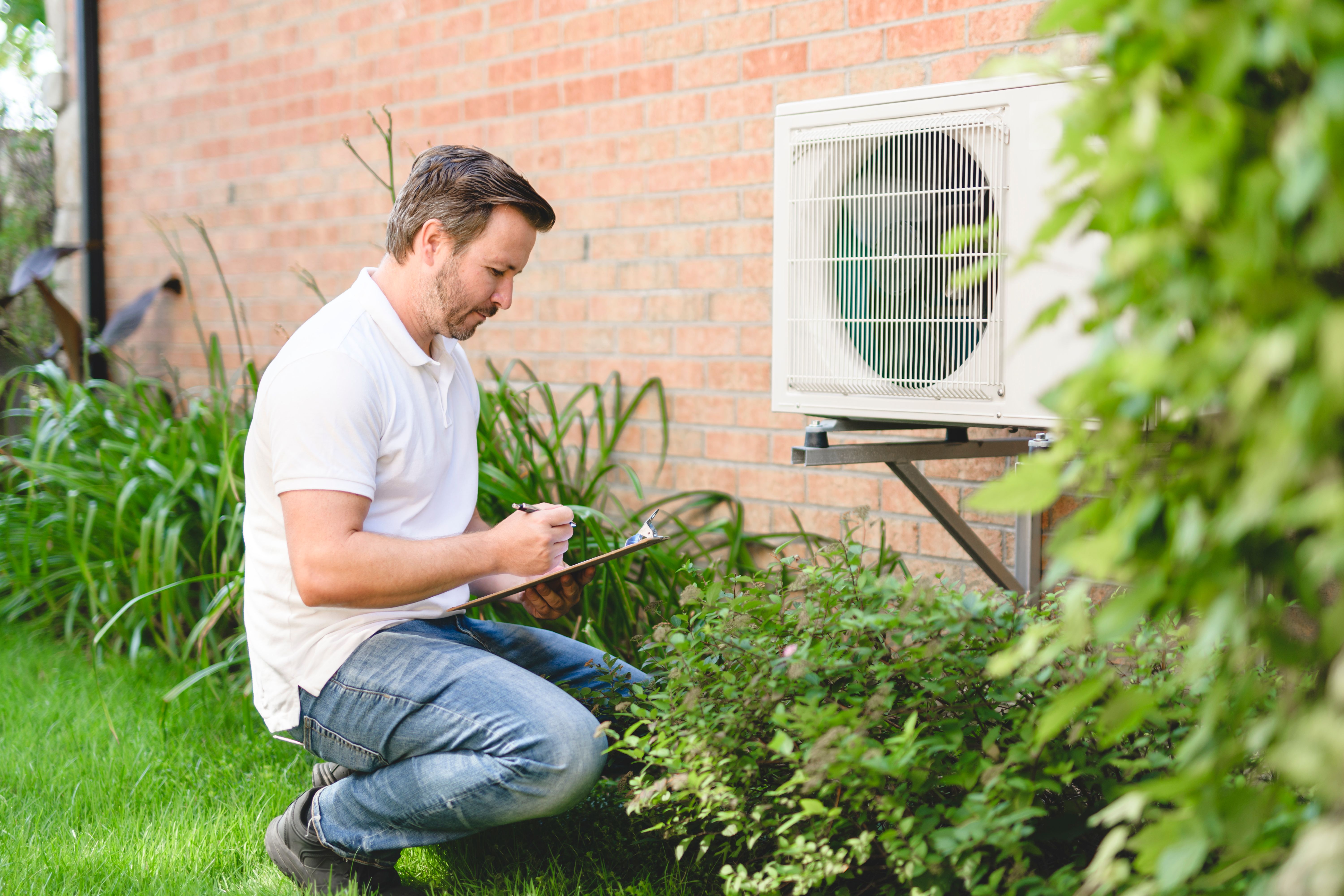
Proper ventilation is the first step in removing smoke odor from your home. Open windows and use fans to circulate fresh air. This helps to dissipate smoke particles and reduce the intensity of the smell.
Cleaning Walls and Surfaces
Smoke can leave a film of soot on walls and surfaces. Begin by vacuuming any loose soot particles using a vacuum with a high-efficiency particulate air (HEPA) filter. Avoid using a brush attachment, as it might push soot further into surfaces.
Next, clean surfaces with a mixture of warm water and mild detergent. Use a soft cloth or sponge to gently wipe away soot. For stubborn stains, a specialized smoke cleaner might be necessary.
Addressing Fabrics and Upholstery
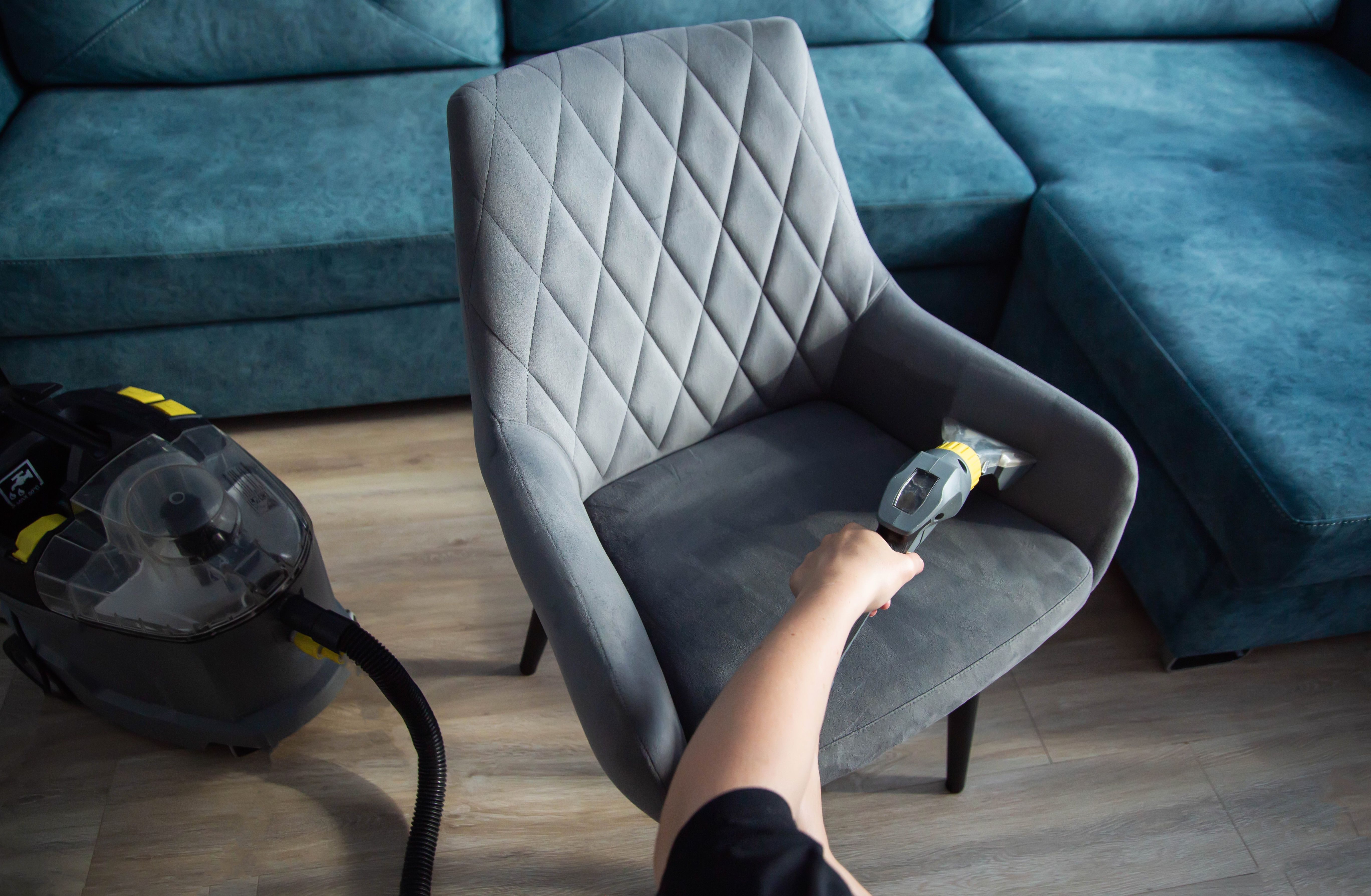
Fabrics and upholstery can absorb smoke odors, requiring special attention. Wash curtains, linens, and clothing with a strong detergent. For upholstered furniture, consider using a professional cleaning service to ensure thorough removal of smoke particles and odors.
Deodorizing Your Home
Even after cleaning, smoke odors may linger. Use an odor-neutralizing product designed for smoke damage. Activated charcoal and baking soda are effective at absorbing odors and can be placed around your home to assist in neutralization.
Professional ozone treatments can also be effective. These treatments neutralize smoke odors on a molecular level and are typically available through cleaning and restoration companies.
Final Inspection and Prevention
Once the cleaning and deodorizing processes are complete, conduct a final inspection. Look for any remaining signs of smoke damage and address them as needed. This might involve repainting walls or replacing damaged items.
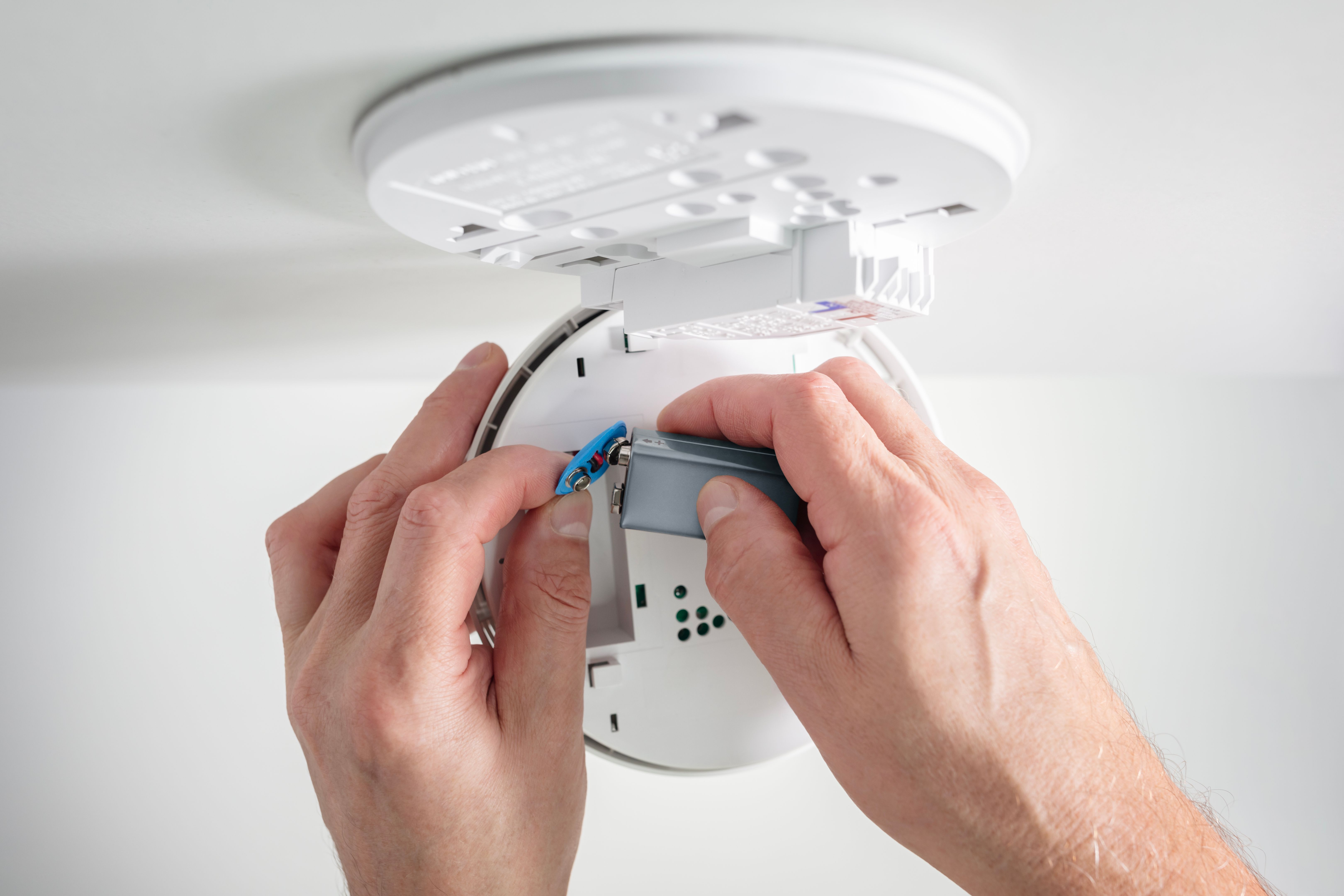
To prevent future smoke damage, install smoke detectors and ensure your home is equipped with fire extinguishers. Regular maintenance and inspections can help safeguard against potential fire hazards.
Restoring your home after smoke damage requires careful attention and a systematic approach. By following these steps, you can effectively restore your living space and ensure a safe and comfortable environment for you and your family.