Top 5 Myths About Water Damage Restoration Debunked


Understanding Water Damage Restoration
Water damage restoration is a critical process for homeowners and businesses alike. However, several misconceptions can lead to costly errors. In this post, we will debunk the top five myths surrounding water damage restoration to help you make informed decisions.
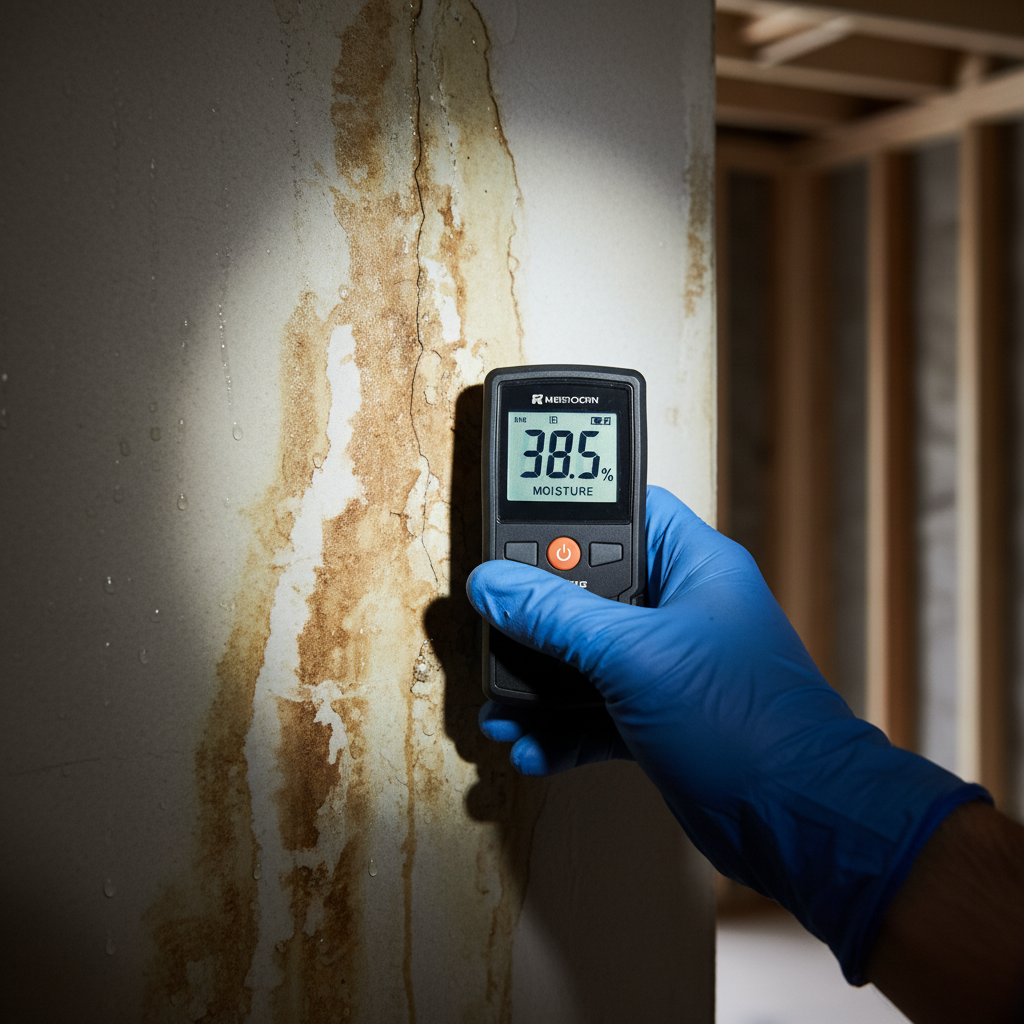
Myth 1: Water Damage is Always Visible
One common misconception is that water damage is always easy to spot. In reality, water can seep into walls, floors, and ceilings, causing hidden damage. By the time visible signs appear, significant harm may have already occurred. It's crucial to conduct a thorough inspection if you suspect water intrusion.
Myth 2: DIY Restoration is Sufficient
While small water spills might be manageable, extensive water damage often requires professional restoration. Experts have specialized equipment to detect hidden moisture and ensure that all affected areas are properly dried, preventing mold growth and structural issues.

Misconceptions About Mold
Mold can develop quickly after water exposure, but there are many myths about its growth and remediation. Understanding the facts is essential for effective restoration.
Myth 3: Mold Takes Weeks to Grow
Contrary to popular belief, mold can begin to grow within 24 to 48 hours of water exposure. Immediate action is necessary to prevent mold infestations, which can pose health risks and complicate the restoration process.

Myth 4: A Dehumidifier is Enough
While dehumidifiers are helpful, they are not a standalone solution for water damage. Comprehensive drying involves removing all moisture from materials and the air. Professionals use a combination of air movers, dehumidifiers, and moisture meters to achieve optimal results.
Insurance and Water Damage
Another area rife with misconceptions is insurance coverage for water damage. Knowing what your policy covers can save you from unexpected expenses.
Myth 5: All Water Damage is Covered by Insurance
Not all water damage scenarios are covered by standard insurance policies. Coverage often depends on the source of the damage. For instance, sudden pipe bursts might be covered, while gradual leaks may not be. Review your policy carefully and consider additional coverage if necessary.
By debunking these myths, you can better prepare for and manage water damage restoration. Remember, when in doubt, consult with a professional to ensure the safety and integrity of your property.