Top 5 Residential Water Damage Repair Tips from Experts


Identifying the Source of Water Damage
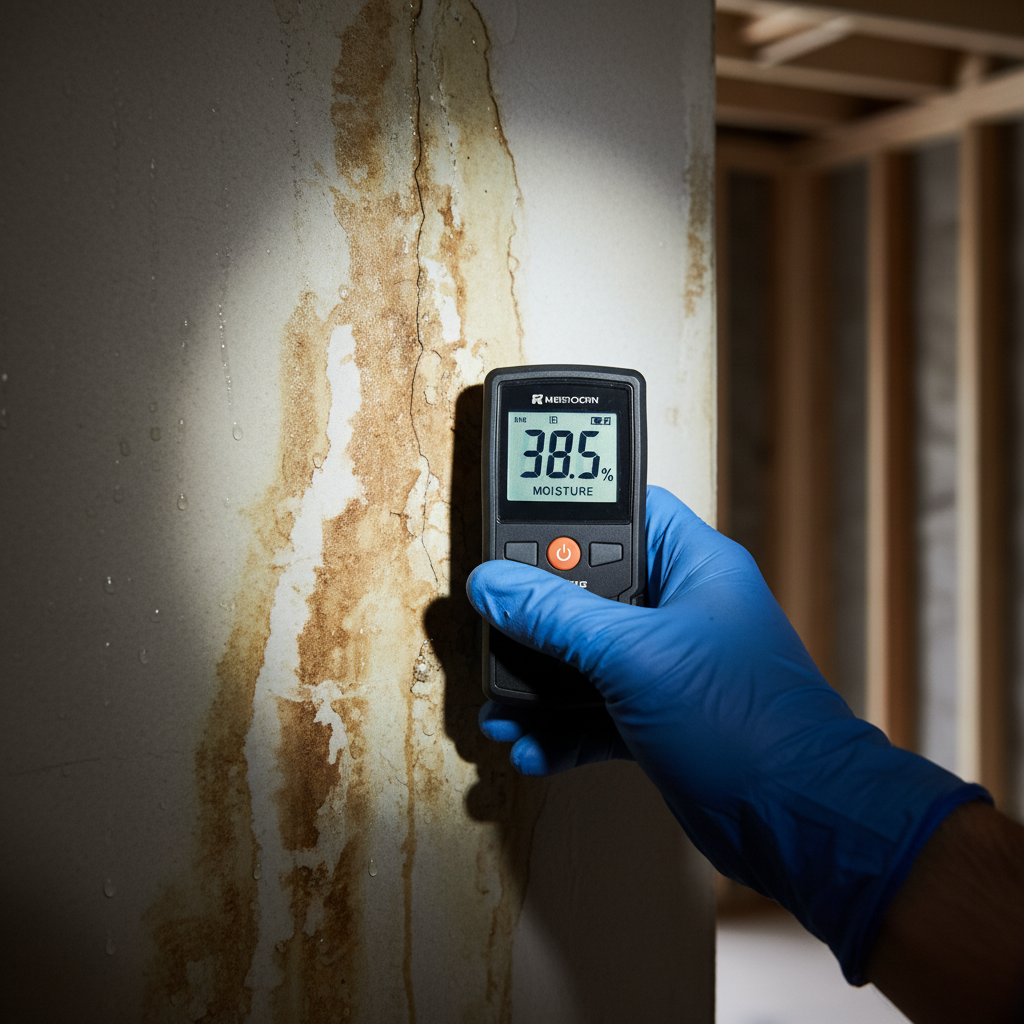
When it comes to residential water damage, the first step is identifying the source. Common culprits include broken pipes, leaky roofs, and malfunctioning appliances. Knowing the cause helps in choosing the right repair strategy. Early detection can prevent further damage and save money in the long run.
Quick Water Removal
Quick response is crucial to minimize damage. Start by removing standing water immediately using pumps or wet vacuums. The longer the water sits, the more damage it can cause, including mold growth and structural issues. If the task seems overwhelming, consider hiring professionals for efficient water extraction.
Drying and Dehumidifying
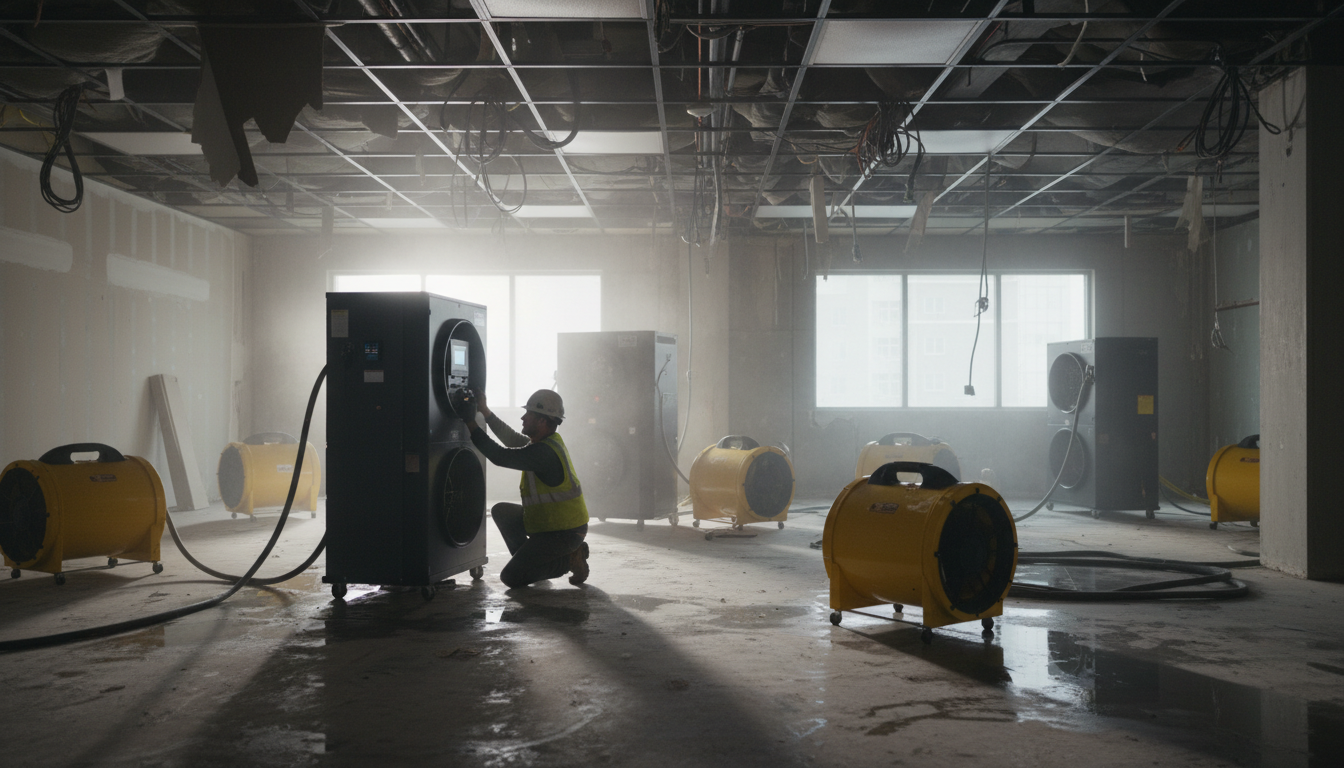
After removing the water, it’s essential to dry out the affected areas. Open windows and doors to increase air circulation, and use fans and dehumidifiers to speed up the drying process. This step helps prevent mold and mildew, which can pose health risks and cause further damage.
Cleaning and Sanitizing
Once the area is dry, it’s time to clean and sanitize. Use disinfectants to ensure that any bacteria or mold spores are eliminated. Clean all surfaces thoroughly, paying special attention to porous materials like carpets and upholstery, which may need professional cleaning or replacement.
Repairing Damaged Areas
Assess the extent of the damage and begin repairs. This may include patching drywall, replacing flooring, or fixing plumbing. Prioritize repairs that prevent further water intrusion. If unsure about the extent of the damage, consult with a contractor or water damage specialist.
Preventive Measures
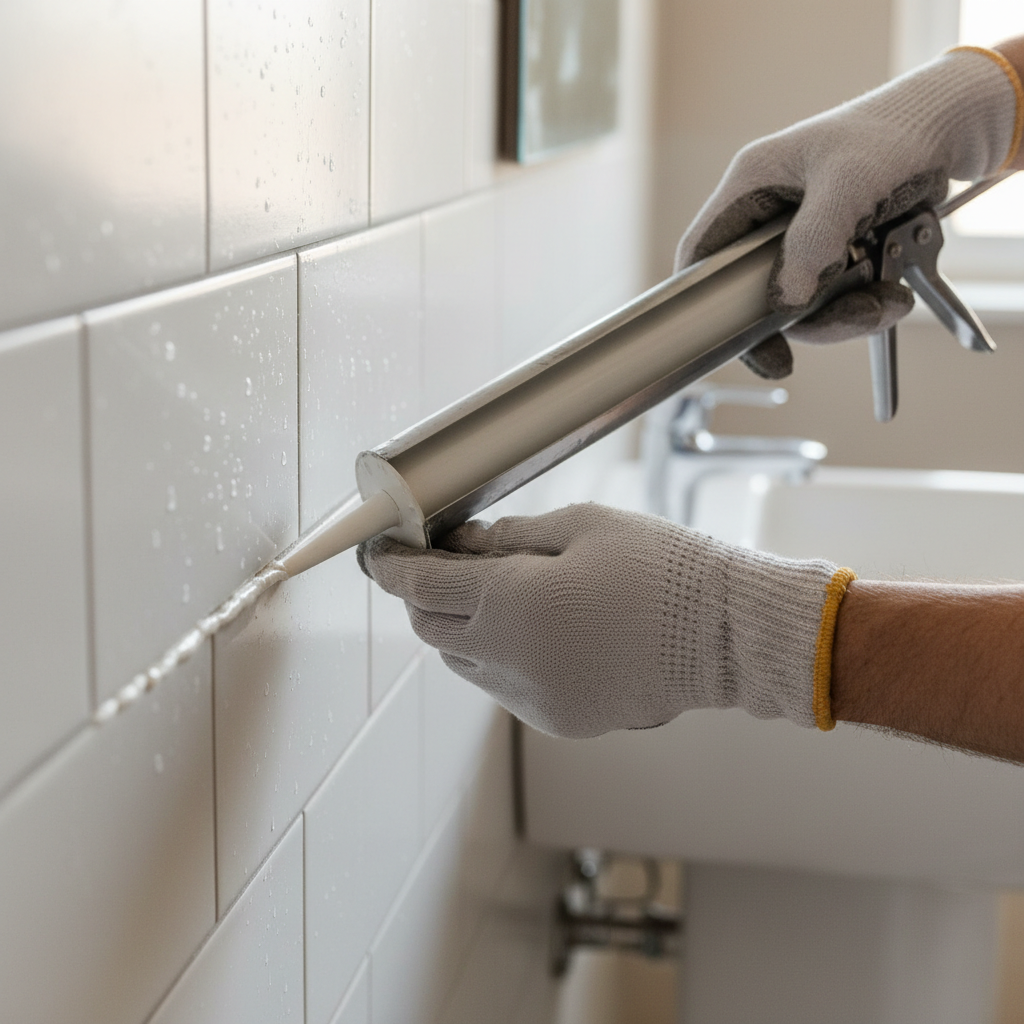
To avoid future water damage, regular maintenance is key. Inspect your home regularly for leaks, maintain gutters and downspouts, and consider installing a sump pump in vulnerable areas. Additionally, investing in a water leak detection system can provide early warnings and prevent costly damage.
By following these expert tips, you can effectively manage water damage in your home and prevent future issues. Remember, acting swiftly and efficiently is the best way to safeguard your property and ensure a safe living environment.