Understanding Fire Damage Restoration: A Step-by-Step Process


Introduction to Fire Damage Restoration
Experiencing a fire in your home or business can be devastating. The aftermath leaves more than just physical damage; it can also be emotionally overwhelming. Understanding the fire damage restoration process can help ease the burden and provide a clear path to recovery.
Initial Assessment and Inspection
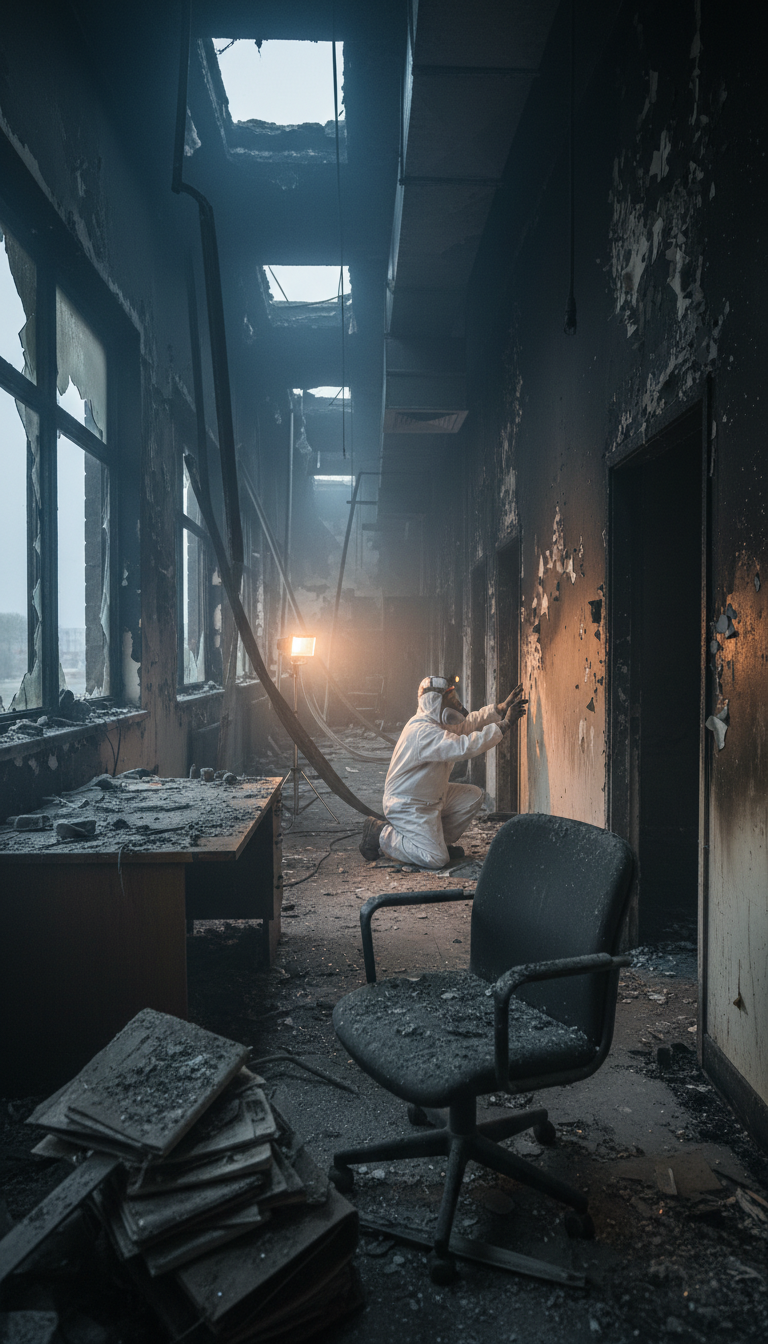
The first step in fire damage restoration is a thorough assessment of the affected area. Professionals will examine the extent of the damage, both visible and hidden, to create a detailed plan of action. This initial inspection is crucial in determining the scope of work required.
During the assessment, experts will also identify any immediate hazards, such as structural weaknesses or compromised electrical systems. Addressing these dangers promptly ensures the safety of everyone involved in the restoration process.
Securing the Property
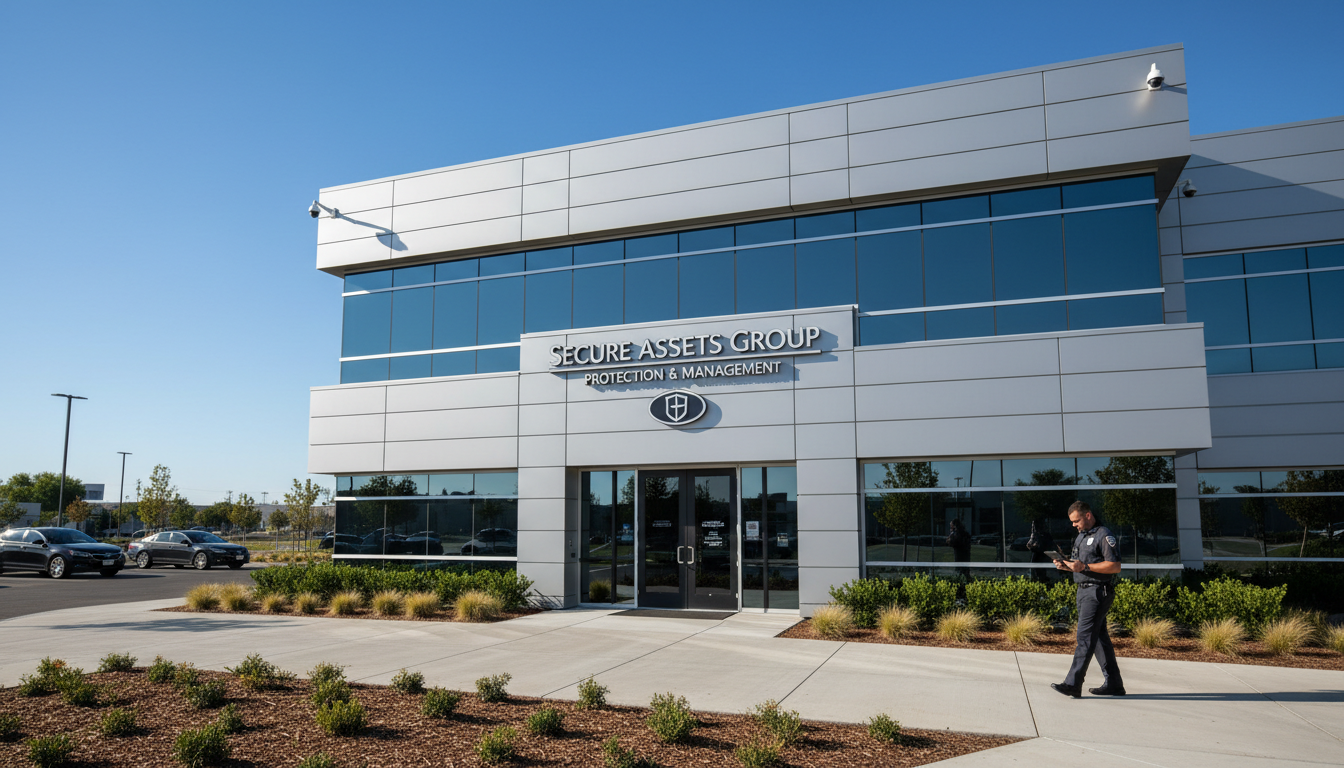
Once the assessment is complete, the next step is securing the property. This involves boarding up windows, doors, and any other openings to prevent further damage or unauthorized access. Properly securing the premises also protects against weather-related issues that could exacerbate the situation.
Water Removal and Drying
Firefighting efforts often leave behind significant water damage. Removing standing water and thoroughly drying the area is essential to prevent mold growth and further deterioration. Specialized equipment, such as industrial fans and dehumidifiers, is used to expedite this process.
Smoke and Soot Cleanup
Smoke and soot can cause extensive damage not only to surfaces but also to the air quality within the building. Cleaning these residues requires specialized techniques and products to ensure thorough removal. This step is vital for restoring the space to a safe and habitable condition.
Repair and Restoration
With the property secured and cleaned, the focus shifts to repairing and restoring the damaged areas. This may involve rebuilding structures, replacing damaged materials, and repainting surfaces. The goal is to return the property to its pre-fire condition or better.
Final Inspection and Approval
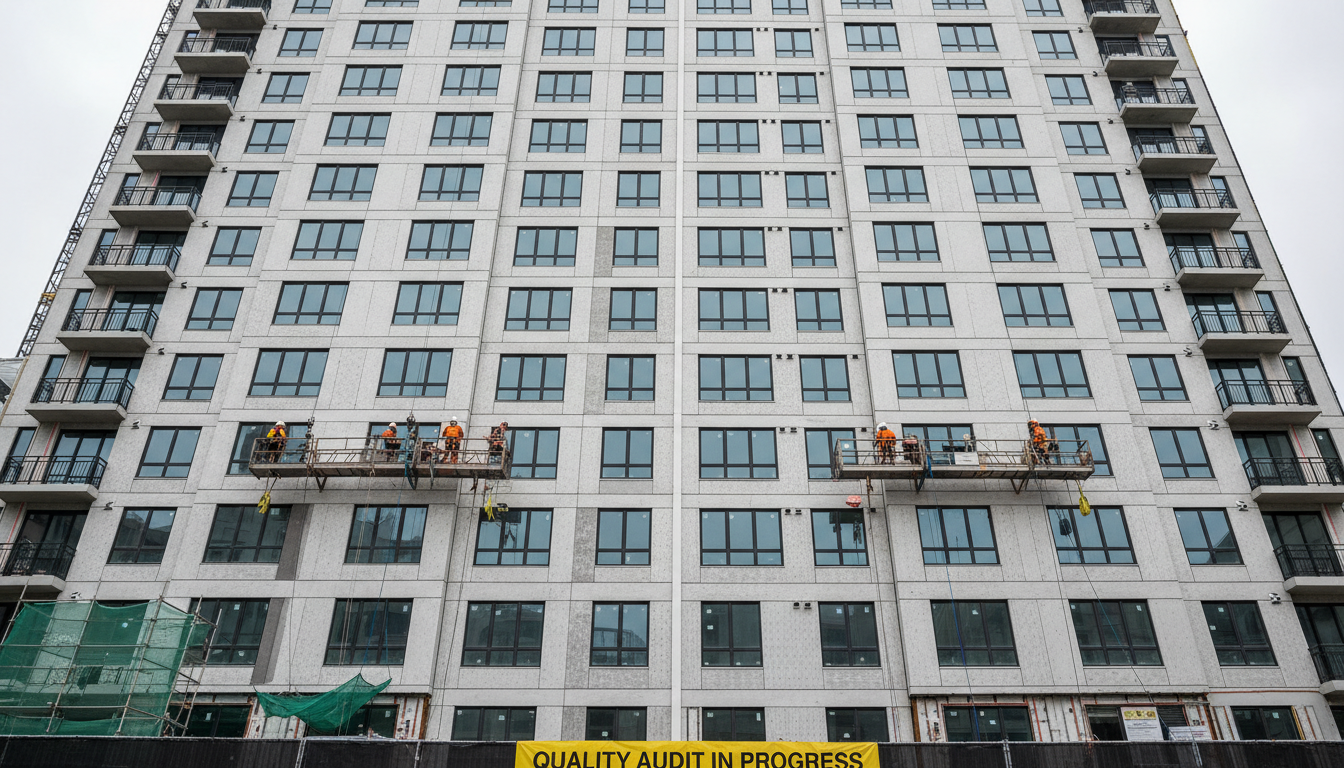
Before the restoration process is considered complete, a final inspection is conducted to ensure all work meets safety standards and quality expectations. This step provides peace of mind to property owners, knowing that their home or business is safe and restored.
Throughout the fire damage restoration process, communication with your restoration team is key. Staying informed and involved helps facilitate a smoother recovery.
Conclusion
Fire damage restoration is a complex process that requires expertise and careful attention to detail. By understanding each step, property owners can feel more confident in their ability to recover and rebuild. Professional restoration services not only restore buildings but also bring hope and relief during difficult times.