Understanding the Fire Damage Restoration Process: What to Expect


Introduction to Fire Damage Restoration
Experiencing a fire in your home or business can be devastating. The aftermath not only leaves physical damage but also emotional distress. Understanding the fire damage restoration process is crucial in getting your life back to normal. This process involves several steps, each essential to restoring your property efficiently and effectively.
Initial Assessment and Inspection
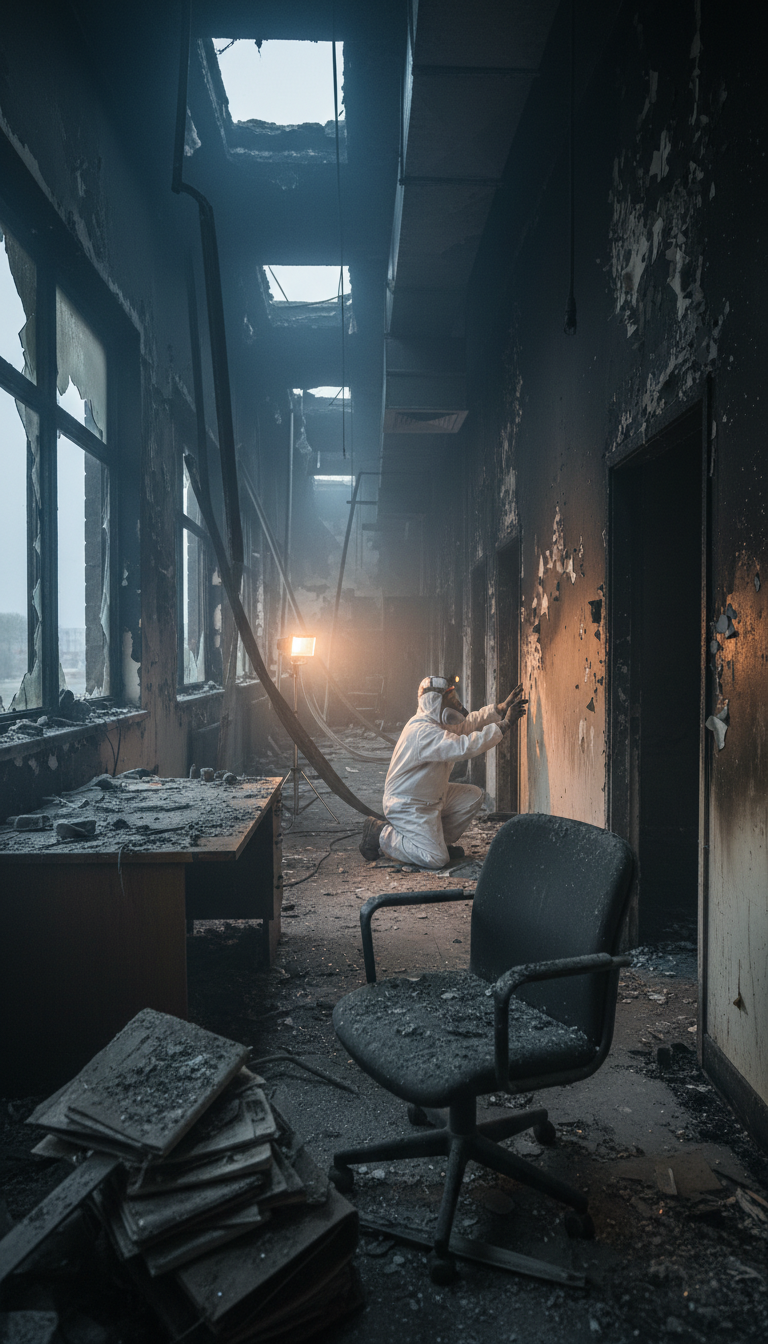
The first step in fire damage restoration is a thorough assessment and inspection of the affected area. Professionals will evaluate the extent of the damage, looking at structural integrity, smoke, soot, and water damage from firefighting efforts. This assessment helps in creating a detailed plan for restoration.
During this phase, it's important to identify any potential hazards, such as weakened structures or exposed electrical systems, to ensure safety. After the assessment, a comprehensive restoration plan will be developed, outlining the necessary steps and timelines.
Securing the Property
Once the assessment is complete, the next step is to secure the property. This may involve boarding up windows, covering roof holes, and ensuring that the area is safe from trespassers. Securing the property is crucial to prevent further damage and protect it from the elements.

Water Removal and Drying
Fires are often extinguished with large amounts of water, leading to water damage. The restoration team will focus on removing excess water and drying the affected areas. This step is essential to prevent mold growth and further deterioration of materials.
- Use of industrial-grade dehumidifiers and fans
- Monitoring moisture levels to ensure complete drying
- Addressing hidden moisture in walls and floors
Cleaning and Soot Removal
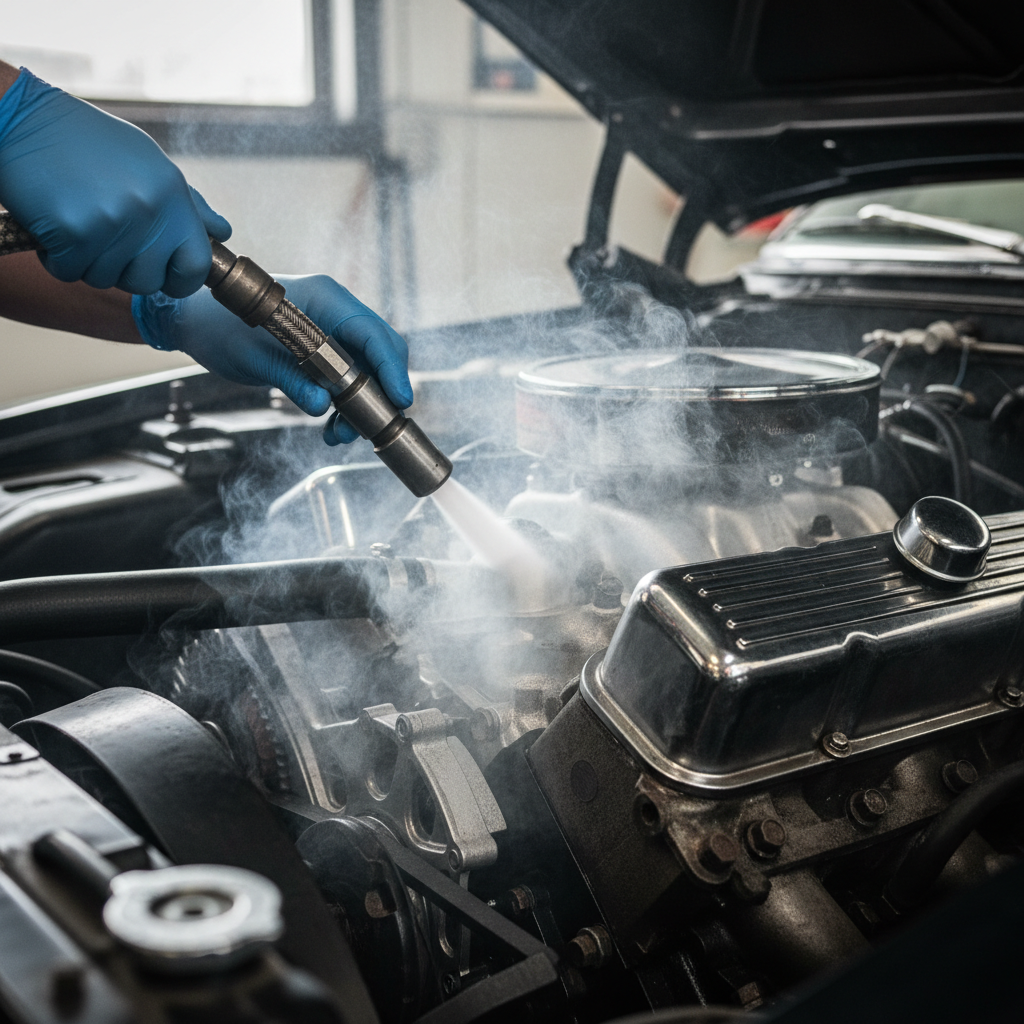
After drying, the next critical step is cleaning and removing soot and smoke residues. Soot can be corrosive and cause further damage if not properly addressed. Specialized cleaning agents and techniques are used to clean surfaces, belongings, and air ducts.
Repair and Restoration
The final phase involves repairing and restoring the property to its pre-fire condition. This may include structural repairs, replacing drywall, painting, and restoring electrical and plumbing systems. The goal is to make the space functional and safe again.
Throughout this process, professionals will ensure that all building codes and safety regulations are met, providing peace of mind that your property is restored correctly.
Conclusion
The fire damage restoration process can seem overwhelming, but understanding each step can help ease the stress. By working with experienced professionals, you can ensure that your property is restored efficiently and safely. Remember, the key is to act quickly and rely on experts who can guide you through the process.